

Table of Contents
Related news

How Should Buyers Specify a Custom Wire Harness for PC Switch and LED Cable Assemblies?
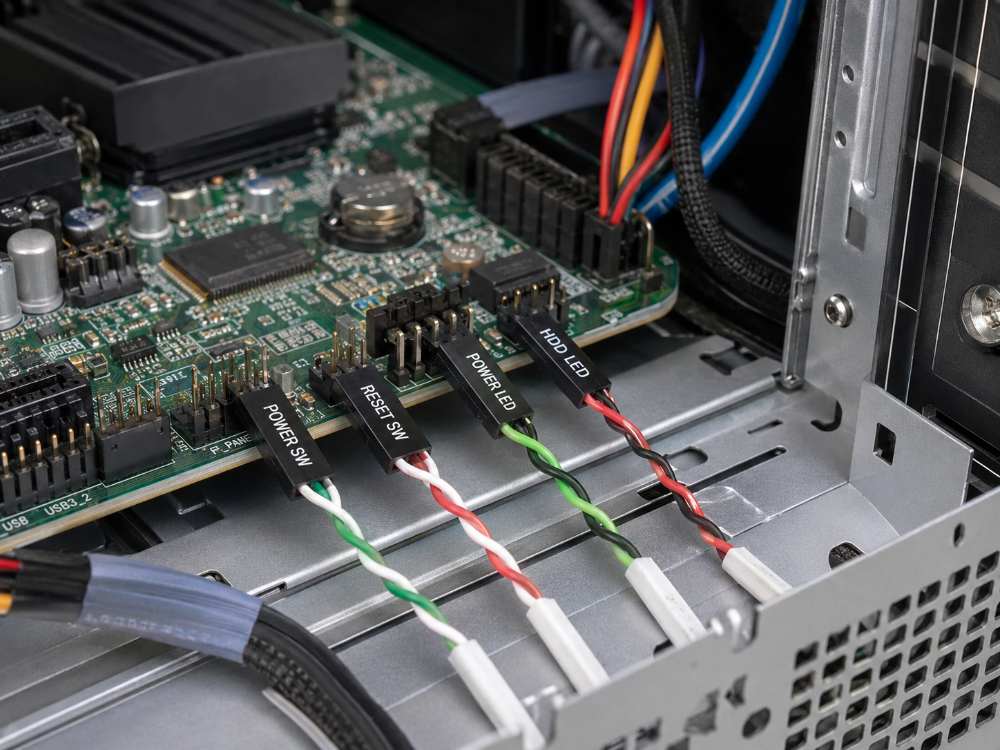
A custom wire harness for PC switch and LED functions should be specified by function first, then by terminal, wire, marking, sample, and packing details. A buyer should not start with only “make this cable.” That is too loose for industrial PCs, servers, network devices, embedded systems, or control boxes, where a small front panel cable can still slow assembly or make field service harder.
The safer path is to define each function clearly. POWER SW, Reset SW, POWER LED, and HDD LED should each have a fixed name, terminal pitch, cable length, wire color, polarity rule, and approved sample. If these points are left open, the first sample may pass, but later batches may arrive with changed labels, mixed packing, or poor fit in the final chassis.
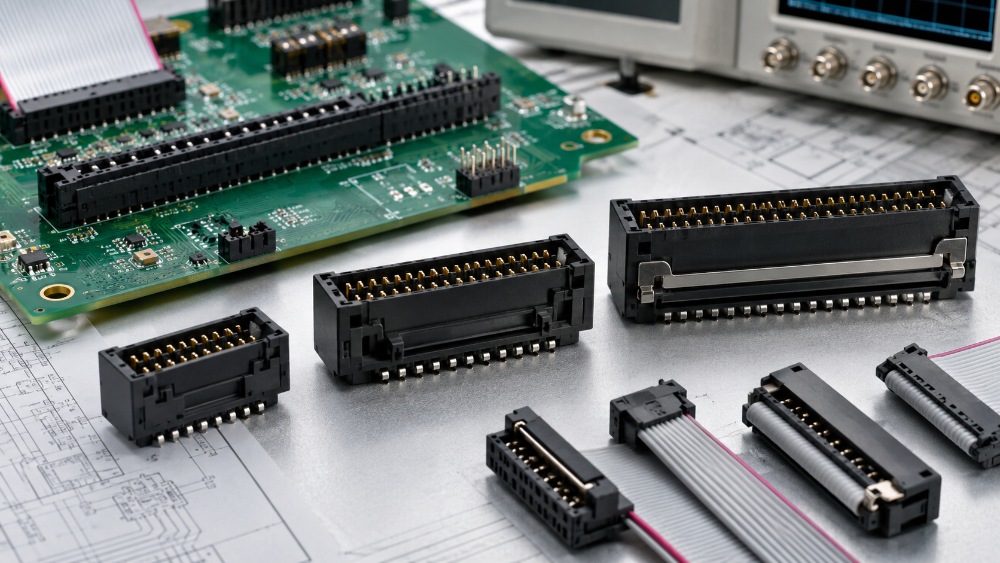
For buyers comparing internal wiring options on the LEOCABLE official website, the Terminal Harness range is the most relevant starting point. The goal is not just to receive one working sample. The goal is to build a wire harness assembly that can be repeated with the same function marking, terminal fit, wire color logic, and packing method.
Why Does a PC Switch and LED Cable Need Clear Specifications?
A PC switch or LED cable looks simple, but it affects engineering, assembly, purchasing, and service work at the same time. Engineering needs the right board header. Assembly workers need visible markings. Purchasing needs stable repeat orders. Service teams need labels that still make sense after the equipment is installed.
Function Names Should Match Assembly Work
POWER SW is not the same as Reset SW. POWER LED is not the same as HDD LED. When similar parts sit on the same workbench, workers need to identify the right cable quickly.
A wire harness assembly with clear marking can reduce checking time. A cable with no visible function label may pass an electrical test, but workers may need to stop and compare drawings. That delay becomes more obvious when production moves from samples to batch production.
For custom wiring harness projects, the function name should stay consistent on the drawing, sample label, packing label, and internal part number. Changing between “Power Switch,” “PWR SW,” and “POWER SW” only creates avoidable questions. A stable naming rule also gives purchasing teams a cleaner reorder reference.
Terminal and Wire Details Should Be Fixed Before Sampling
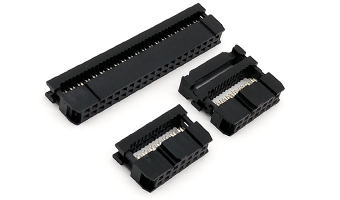
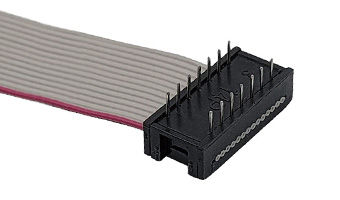
The terminal should not be described only as “Dupont.” Buyers should confirm pitch, pin count, housing type, terminal direction, and board header fit. For many PC front panel cables, a 2.54mm Dupont terminal is common, but it still needs to match the actual motherboard or control board.
Wire color also matters. It helps workers check function and polarity, especially for LED cable assemblies. Green/black may be used for POWER LED, while red/black may be used for HDD LED. The exact color can be customized, but the rule should stay stable after sample approval.
The practical step is simple: test the sample on the real board and inside the real enclosure. If the buyer is not sure about the connector, clear photos, an old cable, or a sample board can reduce guessing before the first quote.
What Should Buyers Confirm for ATX Power Switch and Reset SW Cables?
Switch cables need both electrical and mechanical checks. The switch must fit the panel, connect to the right board header, feel acceptable during use, and remain easy to recognize during service. A sample that works on a desk is not enough.
Switch Type and Panel Fit Come First
Buyers should confirm whether the project needs a momentary power switch, reset switch, or another switch structure. Button size, panel opening, mounting depth, and shell shape should be checked with the real enclosure.
LEOCABLE’s Professional ATX Power Switch Cable Assemblies use a momentary power switch, 2.54mm Dupont terminal, POWER SW marking, and UL1007 26AWG green/white twisted pair. These details give buyers a clearer starting point than a vague “power switch cable” request.
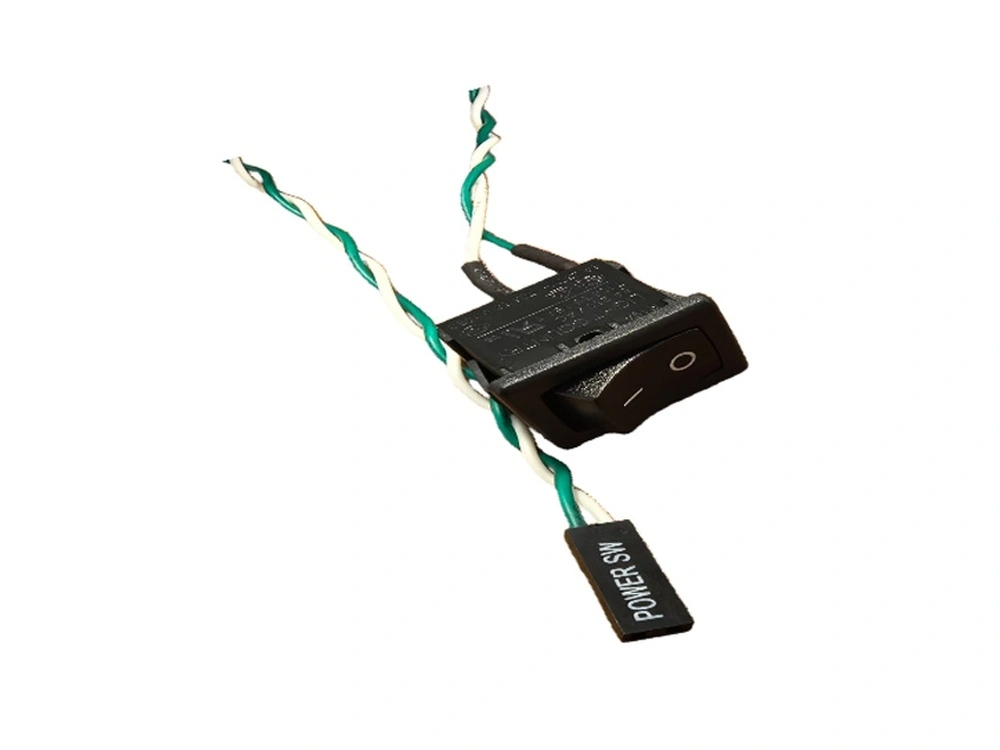
For equipment builders, the value is practical. The POWER SW marking helps workers identify the connector without opening the drawing each time. The 2.54mm terminal gives the buyer a board-header format to verify before batch orders. The green/white twisted pair also gives the cable a clear identity inside a crowded chassis.
Reset SW Needs Strong Visual Identification
Reset cables may be used less often than power switch cables, but they should still be easy to find. During maintenance, a technician may need the reset connection quickly, especially when the device is installed in a rack, cabinet, or embedded control system.
LEOCABLE’s Professional Reset SW Cable Assemblies use a square red momentary reset switch, 2.54mm Dupont terminals, Reset SW marking, and UL1007 26AWG red/white twisted pair. These are practical buying checkpoints: switch color, function label, terminal pitch, cable color, and mechanical fit.
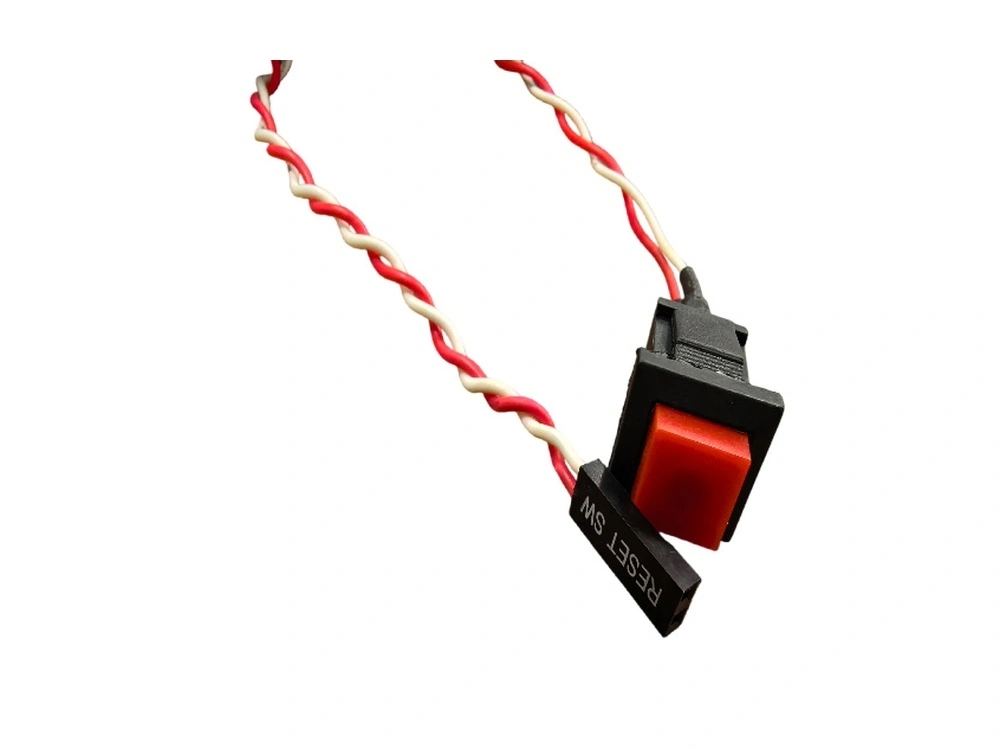
The red button and Reset SW marking make the cable easier to separate from POWER SW during receiving and service work. The red/white twisted pair also gives this custom wire harness a clear visual identity when several front panel cables are packed together.
Cable Length Should Follow the Real Route
Cable length should follow the route inside the chassis, not a straight line from panel to board. The cable may pass around fans, brackets, heatsinks, storage areas, or metal edges.
Too short creates tension at the terminal. Too long creates loose loops that may block airflow or look messy during inspection. A custom wiring harness should be measured with the enclosure open, then checked again after the cover is closed. For repeat projects, buyers should also confirm length tolerance and bend points.
What Matters for POWER LED and HDD LED Cable Assemblies?
LED cables are visible to users. If an indicator does not light, lights in the wrong color, or has reversed polarity, users may think the whole device has a fault. LED cable assemblies need more detail than their small size suggests.
POWER LED Should Make Power Status Easy to Read
POWER LED wiring should be easy for users and service teams to understand. Green often works for power status, but the buyer’s panel icon, user manual, and board header must match the final wiring rule.
LEOCABLE’s Professional POWER LED Cable Assembly uses a 5mm green LED, POWER LED marking, 2.54mm Dupont terminal, and UL1007 26AWG green/black twisted pair. The 5mm LED gives panel designers a clear indicator size to confirm against the front panel opening. The POWER LED marking and green/black wire pair also make polarity checks easier before the device is closed.
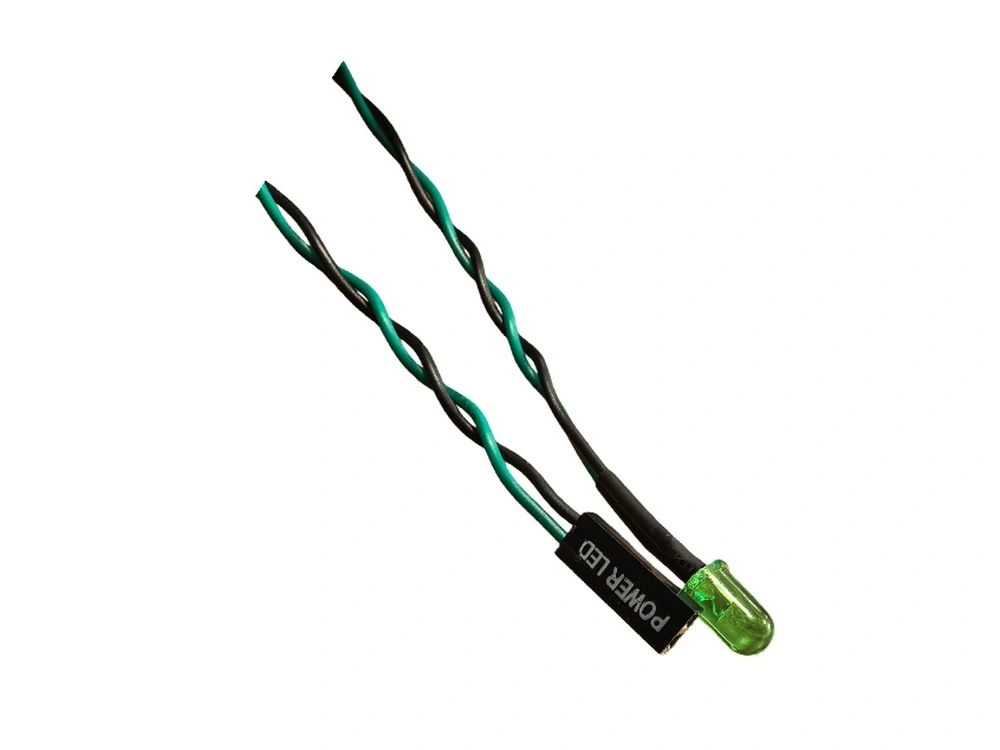
For a custom wire harness project, this matters because power-status wiring is one of the first things users notice. A clear LED color, visible marking, and stable wire color help buyers reduce false fault reports and make replacement work easier later.
HDD LED Should Separate Activity Feedback Clearly
HDD LED wiring has a different job. It helps users or technicians see storage or activity feedback without opening the equipment. If this cable is confused with POWER LED, the panel may still light, but the meaning will be wrong.
LEOCABLE’s Professional hard disk LED cable assembly uses a 5mm red LED, HDD LED marking, and red/black twisted pair wiring. The red LED helps separate activity indication from green power status, while the HDD LED marking gives workers a quick visual check during assembly.
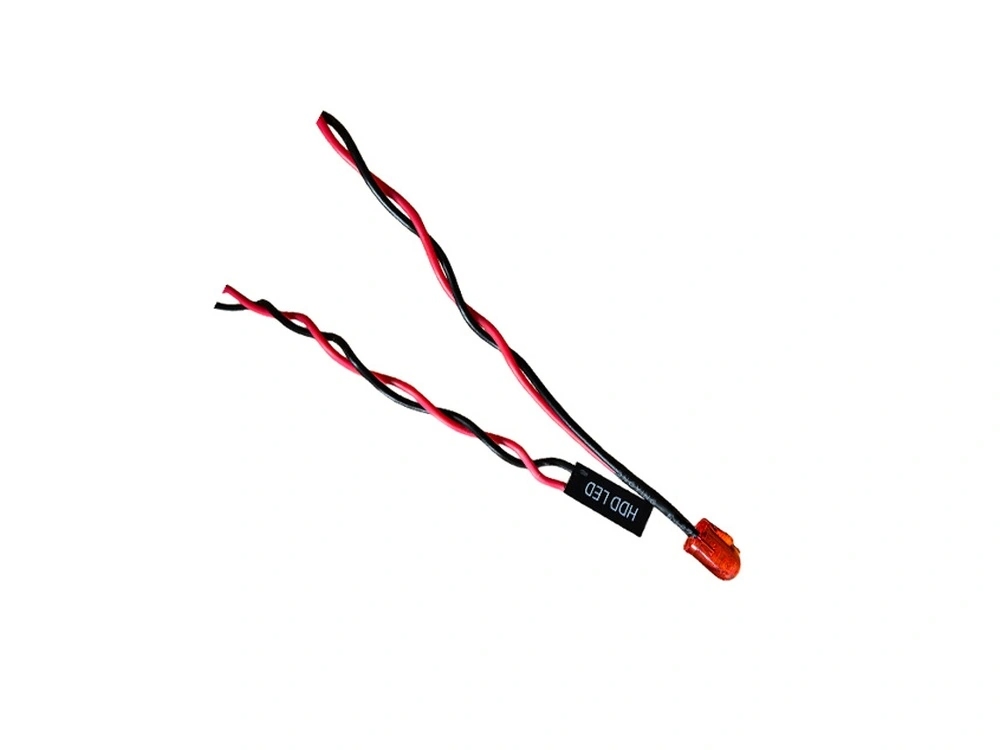
These details make the product easier to inspect, pack, and reorder. A buyer can turn LED color, wire color, terminal mark, and sample photos into repeatable inspection points instead of relying on memory or verbal instructions.
How Can Buyers Reduce Reorder Risk?
Reorder risk often appears after the first order goes well. The buyer assumes the second order will be identical. The supplier assumes a small label or wire shade difference does not matter. Then the new batch arrives and the assembly team notices changes.
Approved Samples Should Stay With the Drawing
A drawing is useful, but it does not show everything. A real sample shows switch feel, LED lens, label position, wire twist, terminal direction, and packing appearance. Buyers should keep the approved sample and connect it to the drawing revision.
For PC switch and LED wiring, the approved sample should show at least four things: function marking, cable length, wire color, and terminal orientation. These are the details most likely to create assembly questions when repeat orders are placed months later.
Packaging and Revision Control Should Be Written Down
POWER SW, Reset SW, POWER LED, and HDD LED can look similar in small bags. If they arrive mixed together, the buyer’s team has to sort them before production.
Better packaging can be simple: separated bags, readable labels, carton grouping, and drawing revision on the label when needed. For distributors and system builders, this also helps after-sales replacement. Changes should also be written down. A board header may move, the panel may change, or a buyer may change LED color. Good custom wire harness manufacturers should keep old and new versions separate.
How Should Buyers Prepare the RFQ?
A useful RFQ should include cable function, target equipment, cable length, wire gauge, terminal pitch, pin count, wire color, marking text, switch type, LED color, sample photos, and estimated quantity. These details help buyers compare quotations more fairly, because each supplier is reviewing the same custom wire harness requirement.
LEOCABLE’s Terminal Harness category gives buyers a practical product base for PC, server, industrial control, network equipment, and embedded system wiring. If the project still needs drawing review or sample confirmation, LEOCABLE ODM/OEM support can help buyers move from rough requirement to a clearer production file.
For this type of custom wiring harness order, ODM/OEM support should not stop at making a cable from a photo. It should help connect drawing review, terminal matching, cable length confirmation, function labels, packing method, and revision records. That is what makes repeat orders easier to control.
Conclusion
A custom wire harness for PC switch and LED cable assemblies should be specified through function, terminal details, cable route, wire color, LED polarity, label position, sample approval, and packing control. These details decide whether the harness is easy to install, inspect, and reorder.
Buyers sourcing a wire harness assembly or cable harness assembly should not stop at asking whether the supplier can make the cable. Loose photos and short RFQs often lead to unclear samples, and unclear samples are hard to repeat. When comparing custom wire harness manufacturers, the stronger choice is usually the one that can turn drawings, samples, labels, and packing rules into repeatable cable harness assembly records.
The better next step is to prepare drawings, samples, photos, cable route notes, and quantity plans, then contact LEOCABLE for review before mass production. That gives both sides a clearer path from sample approval to stable repeat orders.
FAQs
Q1: What should buyers provide for a custom wire harness quote?
A1: Buyers should provide function, length, wire gauge, terminal pitch, pin count, wire color, marking text, sample photos, and quantity.
Q2: Why is sample approval important for wire harness assembly?
A2: It checks real fit, polarity, terminal direction, label position, switch feel, LED color, and cable routing before batch production.
Q3: Can LEOCABLE support custom wiring harness requirements for PC front panels?
A3: Yes. Buyers can share drawings, samples, terminal details, LED color, cable length, and quantity for review.