

What Is a Wire Harness Assembly and How to Choose One for Internal Equipment Wiring?
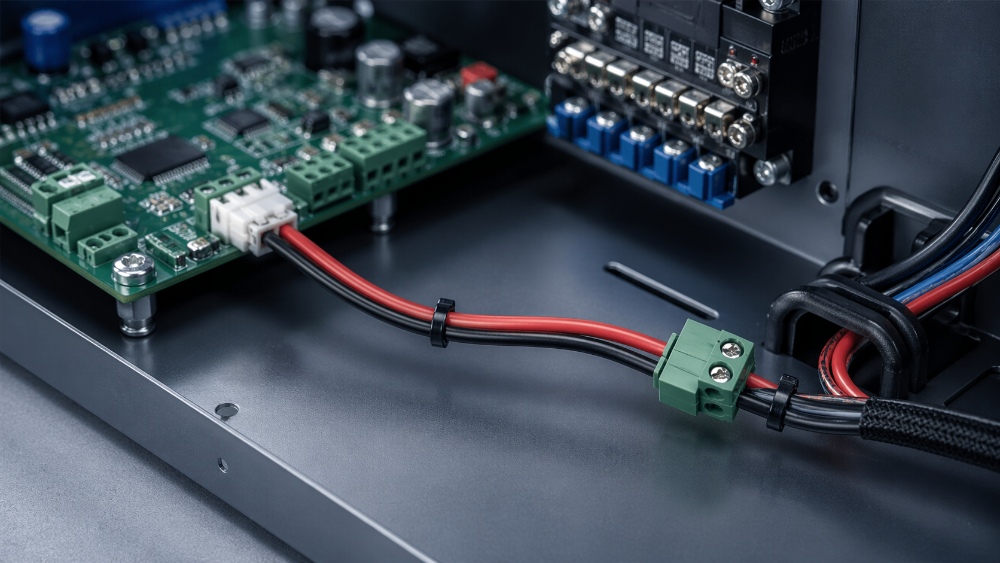
A wire harness assembly is an organized group of wires, terminals, connectors, labels, sleeves, and protective components that transmit power or signals within devices. Rather than linking individual wires separately, a harness establishes a defined path. It keeps polarity clear and helps production teams connect modules with fewer wiring errors.
For wiring inside equipment, the proper selection relies on connector pitch, wire gauge, voltage, current, routing space, insulation quality, and the operating conditions.In industrial machines, telecommunications equipment, medical instruments, servers, control boards, and embedded systems, minor internal links can influence total dependability. A cable harness assembly might appear basic, yet an incorrect connector, slender wire, vague polarity label, or poor terminal connection can lead to erratic signals, overheating danger, or difficult maintenance. Purchasers and designers ought to view a harness as an integral element of the device blueprint, not merely as a final addition.
What Is a Wire Harness Assembly?
A wire harness assembly combines several connection parts into one ready-to-install unit. It may include single wires, flat cables, crimp terminals, connector housings, heat-shrink tubing, labels, sleeves, and protective covers. Its role is to create a repeatable wiring path between boards, switches, sensors, power modules, indicators, and control units.
Compared with loose wiring, a harness keeps internal wiring neat, reduces assembly variation, and makes maintenance easier. A fixed connector and color layout help workers identify polarity and terminal position faster. A harness can carry power, signal, or simple control input. Signal wiring often focuses on routing and interference control, while power wiring needs closer checks on wire gauge, rated current, insulation, and terminal contact.
Main Parts of a Cable Harness Assembly
A cable harness assembly should be evaluated as a complete connection system. The wire, terminal, housing, mark, and protection method all matter. A strong single part cannot compensate for a poor overall match.
Wires and Cable Materials
Wire selection starts with current load, voltage, temperature, and available space. Thicker wire can carry more current, but it also needs more room and may be harder to bend inside a compact enclosure. A smaller wire is easier to route, but it may not fit higher load conditions. The wire gauge should match the actual function of the circuit.
Insulation material affects safety and service life. Inside equipment, wires may pass near PCB edges, metal frames, heat sources, moving covers, or other harnesses. A suitable insulation layer helps reduce abrasion risk and supports stable performance under normal working temperatures.
Terminals, Housings, and Identification
Terminals create the electrical contact point. Connector housings hold terminals in place and guide the mating direction. If these two parts do not match well, common problems include loose contact, wrong insertion, terminal retreat, unstable signals, or intermittent power.
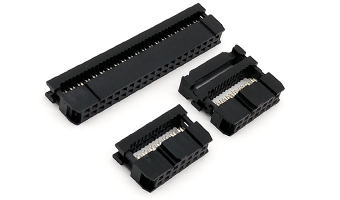
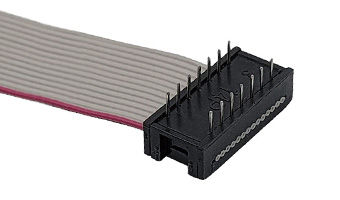
Connector pitch is one of the first details to check. PH2.0, SM3.96, Dupont 2.54mm, IDC, MX, and D-SUB connectors may serve different board layouts or device interfaces. Pitch, pin count, locking structure, housing direction, and mating part should all be confirmed before sample production.
Identification also matters. Red and black wires, printed terminal marks, labels, sleeves, and physical anti-misinsertion structures can help operators connect the harness correctly. Molded reinforcement or reinforced clips may reduce conductor breakage or terminal pullout near the connector.
Where Wire Harness Assemblies Are Used
Wire harnesses are widely used in internal equipment wiring because many devices need compact, repeatable, and serviceable connections. In industrial automation, they may connect PLC modules, sensors, power modules, and status indicators. In communication equipment, medical instruments, consumer electronics, and embedded systems, harnesses support board-level or module-level connections where clear routing is required.
How to Choose the Right Wire Harness Assembly
Choosing a harness should start from the equipment layout, not from the cable catalog. The buyer or engineer should first define what the harness must connect, how much current it carries, where it will be routed, and what conditions it will face during operation.
Start With Connector Type and Pitch
The connector is the first compatibility point. If the pitch or housing type is wrong, the harness will not fit the board or mating connector. Before ordering, confirm the connector family, pitch, pin count, polarity direction, and whether the connection needs a locking structure.
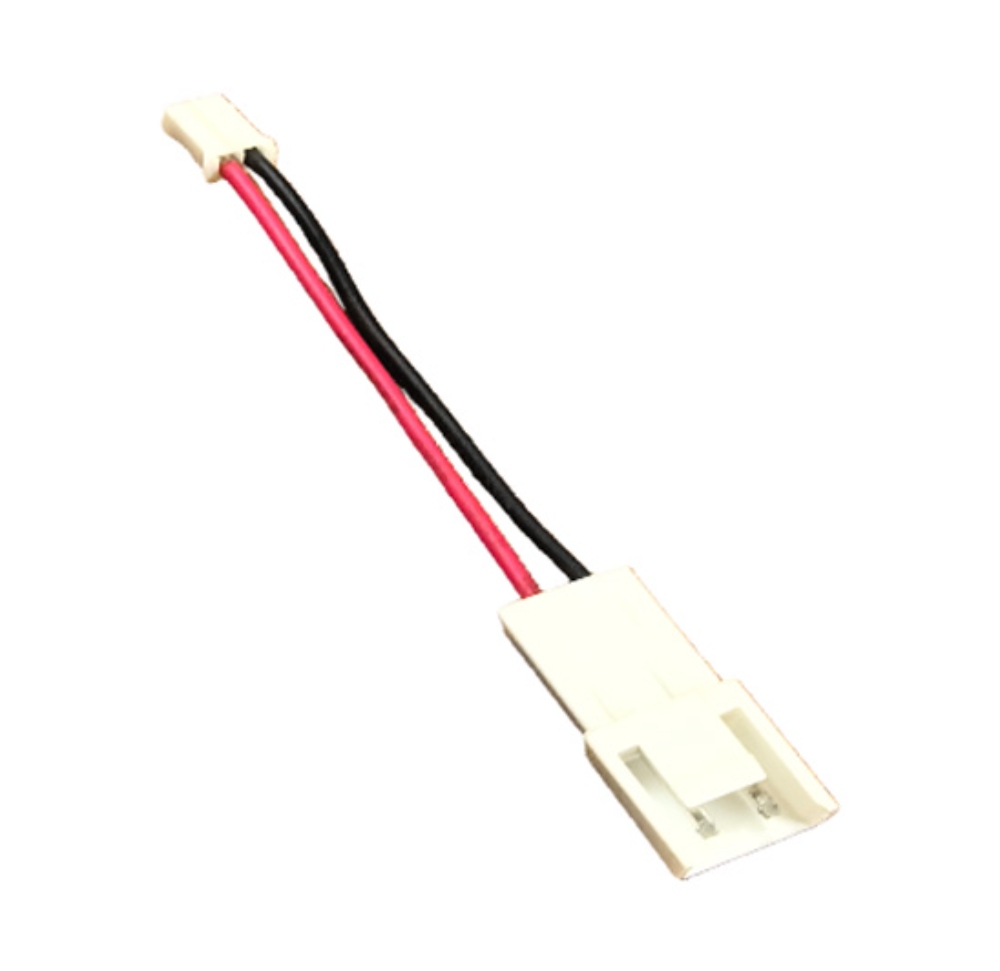
For example, equipment that needs a PH2.0mm plug on one end and an SM3.96mm air butt connector on the other cannot be solved by a general two-wire cable alone. The connector pair must match both sides of the equipment. A product such as Professional PH2.0 to SM3.96 air butt cable is designed for this bridge connection. It uses a PH2.0mm plug connector to an SM3.96mm air butt connector structure, with UL1007 20AWG black/red two-color cable.
Match Wire Gauge With Current and Routing Space
The wire gauge should be selected based on the load and routing conditions. A higher current path often needs a larger conductor, while a short signal line can usually use a smaller wire. Inside compact equipment, the harness also needs to bend around boards, brackets, or plastic housings. If the wire is too stiff or too long, installation becomes harder and may create stress at the connector.
For internal equipment wiring, the length should be long enough for assembly but not so long that extra cable loops inside the enclosure. Extra loops can block airflow, touch moving parts, or complicate repair. Red and black wires are often used to distinguish positive and negative polarity.
Check Voltage, Current, and Insulation Performance
Electrical safety should not be reduced to a single rating. Working voltage, rated current, contact resistance, insulation resistance, and flame resistance all help define whether a harness fits the application. A power cable for a control panel has different needs from a low-current LED indicator cable.
In a PH2.0 to SM3.96 connection, 300V AC/DC working voltage and 5A rated current may fit certain power supply or data bridging needs, but the final choice still depends on the equipment circuit. Contact resistance and insulation resistance should also be checked during sample approval.
Decide When Customization Is Necessary
A custom wire harness becomes useful when the standard option does not fit the equipment layout. Customization may involve cable length, terminal color, wire color, connector pitch, pin count, labeling, sleeve protection, or packaging method.
For OEM projects, a small detail can affect production efficiency. A harness that is too long may create cable crowding, while a missing polarity mark may slow assembly. For projects that need design flexibility, custom cable and connector options can help align the harness with the equipment layout and production process.
Common Mistakes When Selecting a Harness Assembly
The most common mistake is choosing by appearance. Similar housings can have different pitches, terminal shapes, or mating directions. A visual match may still lead to wrong insertion or poor contact. Another issue is ignoring the current load. A wire that works during a short prototype test may not suit longer operation or higher load.
Polarity, mechanical stress, and sample testing also need attention. Unclear red/black identification, missing labels, reversed terminals, sharp bending, or compression near the terminal area can create failure risks. Continuity, contact resistance, insulation resistance, tensile strength, and visual inspection are useful checks before volume production.
A Practical Example for Equipment Wiring
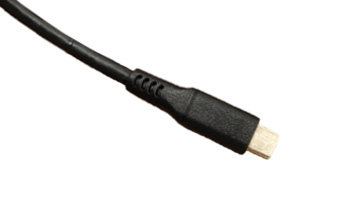
In the middle stage of equipment design, the harness often needs to connect two different internal interfaces without taking too much space. This is where LEOCABLE may support equipment manufacturers with cable and connector solutions for internal wiring, terminal harnesses, IDC flat cables, SATA cables, USB assemblies, and external equipment cables.
The PH2.0 to SM3.96 air butt cable is a practical example of a small internal connection. It uses brass terminals and off-white high-temperature engineering plastic, with UL1007 20AWG black/red two-color cable. Its working voltage is 300V AC/DC, rated current is 5A, wire temperature resistance is 80°C, contact resistance is ≤20mΩ, and insulation resistance is ≥100MΩ at 500V DC. Terminal color, wire color, and length can be customized to fit different internal layouts.
This type of cable can be considered for consumer electronics, industrial automation, telecommunications, automotive systems, and medical devices where a PH2.0 to SM3.96 bridge is required. It is not the answer for every harness design, but it shows how connector type, wire gauge, polarity color, and customization work together.
Quick Checklist Before Ordering
Before ordering a cable harness assembly, confirm the connector type and pitch on both sides of the mating interface. Check pin count, polarity, wire sequence, wire gauge, voltage, current, cable length, housing material, insulation, working temperature, and mechanical protection.
Testing requirements should also be confirmed early. Continuity, contact resistance, insulation resistance, and visual inspection can help reduce approval risks. If the product requires a custom cable harness, confirm color, length, terminal type, packaging, and sample standards before mass production.
Conclusion: Better Harness Choices Start With Real Equipment Conditions
A wire harness assembly is more than a group of connected wires. It is part of the equipment structure, production process, and maintenance experience. For internal equipment wiring, buyers should check connector pitch, wire gauge, voltage, current, insulation, routing space, and customization needs before finalizing a supplier.
A suitable custom wire harness can help make internal connections cleaner, easier to assemble, and more consistent in production. The goal is not to choose the most complex harness, but to choose the one that fits the device, the circuit, and the production method.
For equipment projects that need tailored terminal configuration, cable length, or connector matching, you can share your wiring requirements with our team and review a practical connection plan before sample development.
FAQ
Q: What is the difference between a wire harness assembly and a normal cable?
A: A normal cable usually refers to one cable used for power or signal transmission. A wire harness assembly is a planned connection unit with wires, terminals, connector housings, labels, and protection parts.
Q: When should equipment manufacturers choose a custom wire harness?
A: A custom wire harness is suitable when the standard cable length, connector type, wire color, terminal pitch, or routing direction does not fit the device. It is also useful when batch production needs consistent polarity marks and stable connector mating.
Q: What information should be prepared before ordering a harness?
A: Prepare connector type, pitch, pin count, cable length, wire gauge, voltage, current, polarity sequence, working temperature, and application environment. Drawings, samples, or photos of mating parts can also help reduce approval errors.