

Inhaltsverzeichnis
Verwandte Nachrichten
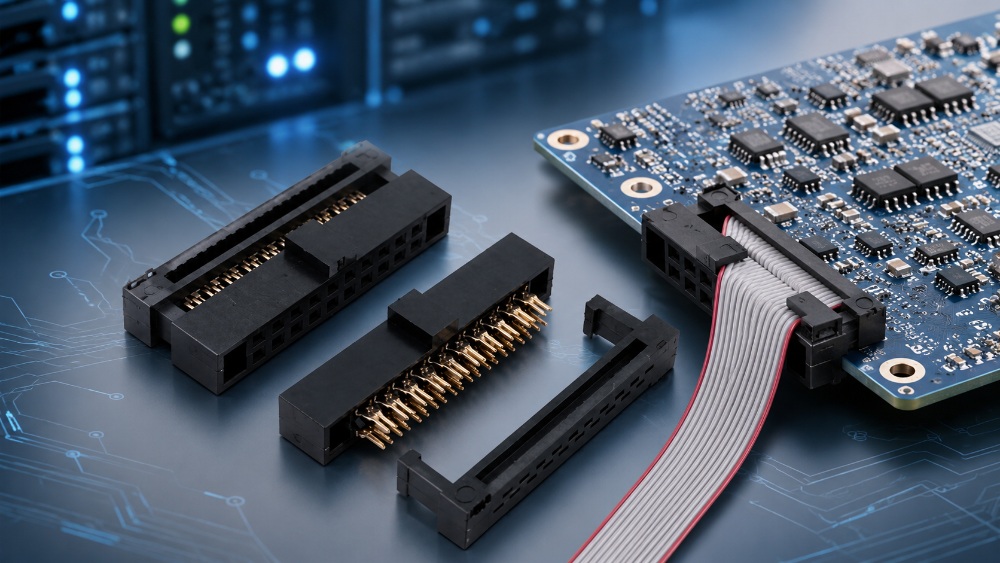
Kundenspezifische umspritzte Kabelkonfektionen: Wenn Zugentlastung und Abdichtung entscheidend sind
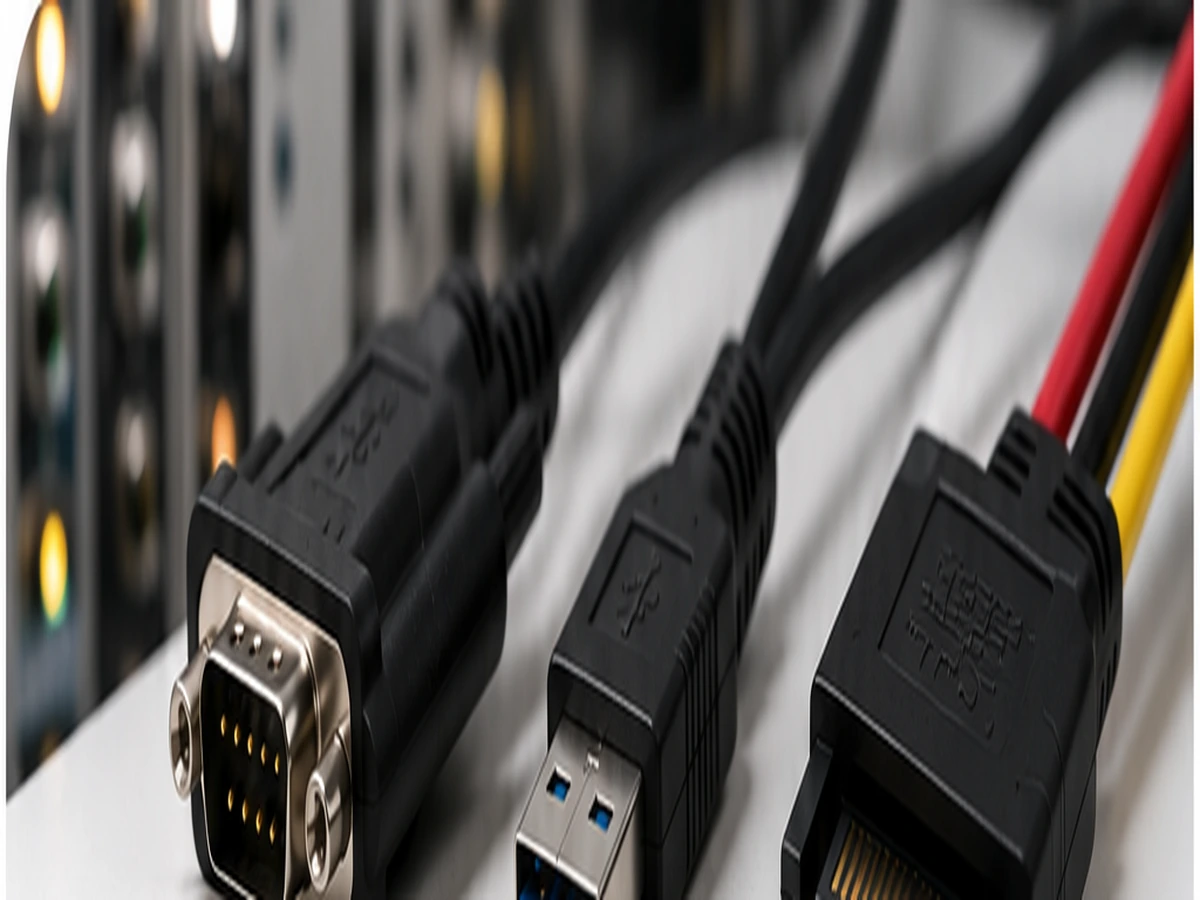
Kabelausfälle beginnen oft am Steckerende, nicht in der Mitte des Kabels. Wiederholtes Biegen, beengte Platzverhältnisse im Gehäuse, Vibrationen, Staub und gelegentliches Ziehen können Lötstellen lockern oder das Gehäuse beschädigen, bevor das Kabel selbst sichtbare Abnutzungserscheinungen aufweist. Deshalb sind kundenspezifisch umspritzte Kabelkonfektionen in der industriellen Verkabelung, bei Testgeräten, Datensystemen, Medizingeräten und eingebetteter Hardware so wichtig. Die Umspritzung dient nicht nur der Formgebung, sondern bildet auch eine Schutzschicht um den Anschlusspunkt, wo die mechanische Belastung üblicherweise am größten ist.
Für Käufer ist die entscheidende Frage nicht, ob das Umspritzen hochwertiger aussieht. Die entscheidende Frage ist vielmehr, ob Zugentlastung, Steckerschutz, Dichtungsanforderungen und Chargenkonsistenz die Formgebung rechtfertigen. LEOCABLE Wir unterstützen kundenspezifische Kabel- und Steckerprojekte, doch die richtige Auslegung beginnt weiterhin mit der jeweiligen Anwendung. Ein Kabel, das einmalig in einem trockenen Gehäuse verlegt wird, benötigt eine andere Lösung als ein Kabel, das wiederholten Bewegungen, dem Einbau in Schaltschränke oder der Wartung ausgesetzt ist.
Warum benötigen Steckerenden einen besseren Schutz?
Das Kabelende ist einer höheren mechanischen Belastung ausgesetzt, als viele Zeichnungen vermuten lassen. Eine gerade Linie in der Zeichnung kann nach der Kabelinstallation in der Nähe eines Steckers eine enge Biegung aufweisen. Im Servicefall ziehen Techniker möglicherweise am Steckergehäuse, verschieben das Kabel oder verlegen es in der Nähe von Blechteilen. Ist das Steckerende nur durch eine dünne Ummantelung geschützt, kann die Austrittsstelle des Kabels zur schwächsten Stelle der gesamten Baugruppe werden.
Die Zugentlastung sollte dem tatsächlichen Biegeverlauf entsprechen.
Die Zugentlastung ist am effektivsten, wenn sie der tatsächlichen Bewegung des Kabels folgt. Eine umspritzte Tülle verteilt die Biegespannung über eine größere Fläche und reduziert scharfe Knicke an den Löt- oder Crimpverbindungen. Bei seriellen Kabeln, USB-Verlängerungskabeln, SATA-Strom- und Datenleitungen oder kompakten internen Verkabelungen kann dies dazu beitragen, wiederholte Belastungen in der Nähe des Steckergehäuses zu verringern.
Die Dichtigkeit hängt von der Einwirkung ab, nicht vom Aussehen.
Das Umspritzen kann auch dazu beitragen, Staub, Feuchtigkeit, Ölnebel und Verunreinigungen durch die Handhabung abzuhalten. Die Dichtigkeit hängt jedoch von der Materialwahl, der Form des Formteils, der Steckerkonstruktion und dem Kabelmantel ab. Eine umspritzte Abdeckung allein sollte nicht als Nachweis für Wasserdichtigkeit gelten, sofern die Konstruktion und die Testbedingungen nicht spezifiziert sind. Käufer sollten festlegen, ob sie eine einfache Verstärkung, Spritzwasserschutz, Staubschutz oder eine anspruchsvollere, abgedichtete Konstruktion benötigen.
Was unterscheidet ein Kabelummantelungsdesign von anderen?
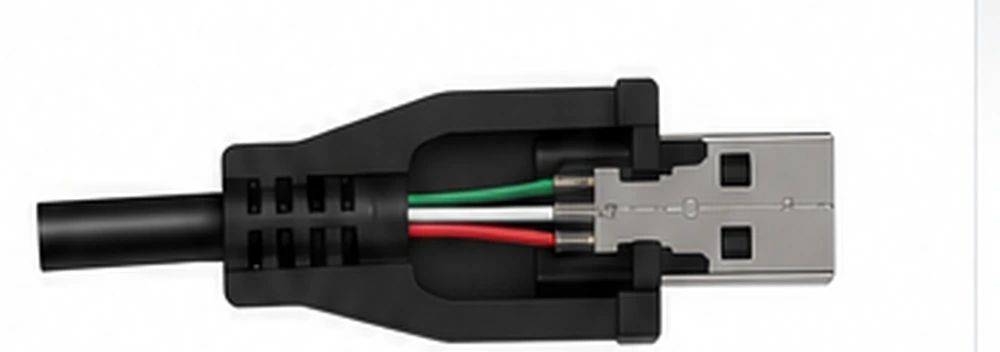
Die Kabelumspritzung umschließt einen Teil des Steckers und des Kabels mit Formmaterial. Dieser umspritzte Bereich kann als flexible Tülle, verstärkte Grifffläche, abgedichteter Übergang oder Befestigungselement dienen. Bei vielen kundenspezifischen umspritzten Kabelkonfektionen vereint die Konstruktion mehrere Funktionen: Sie schützt den Anschluss, verbessert die Handhabung, kontrolliert den Austrittswinkel und sorgt für eine gleichbleibende Form bei der Serienfertigung.
Material und Formgeometrie sollten frühzeitig festgelegt werden.
Je nach Flexibilität, Temperaturbereich, Oberflächenbeschaffenheit, Haftungsverhalten und Kosten können geformtes PVC, PE, TPE oder andere Materialien verwendet werden. Die Materialwahl sollte nicht allein vom Preis abhängen. Ein sehr steifer Formteil schützt zwar den Stecker, kann aber die Kabelummantelung beim Biegen beschädigen. Eine sehr weiche Tülle fühlt sich zwar flexibel an, bietet aber nur begrenzte Zugkraftkontrolle. Die endgültige Form muss zum Gehäuse, zur Öffnung in der Frontplatte, zum Kabelverlauf und zum vorgesehenen Wartungszugang passen.
Die Umspritzung des Steckverbinders sollte unklare Zeichnungen nicht verdecken.
Sobald ein Stecker umspritzt ist, wird die Überprüfung der internen Anschlüsse erschwert. Vor dem endgültigen Umspritzen sollten Lieferant und Käufer die Pinbelegung, die Drahtfarbe, den Schirmverlauf, die Lötqualität, die Crimphöhe, die Kabellänge und die Steckerausrichtung bestätigen. Die Umspritzung soll eine geprüfte Konstruktion schützen und nicht unsichere Arbeiten verdecken.
Wo bieten umspritzte Kabelkonfektionen den größten Mehrwert?
Umspritzte Kabelkonfektionen sind besonders dann von Vorteil, wenn das Steckerende Bewegungen, Montagekräften oder Umwelteinflüssen ausgesetzt ist. Sie eignen sich auch, wenn das Produkt über verschiedene Chargen hinweg ein einheitliches Erscheinungsbild haben muss oder wenn das Steckerende für die Montage eine kontrollierte Form benötigt. Der größte Nutzen ergibt sich, wenn die Umspritzung ein bekanntes Risiko beseitigt.
Serielle Kabel und D-SUB-Schnittstellen
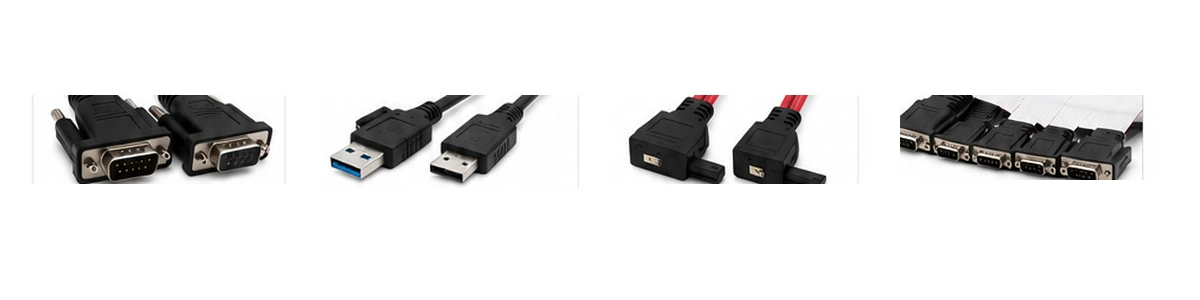
Professionelles COM Nine-Pin männliches serielles Kabel (verstärkter Formtyp) ist ein gutes Beispiel für die Verstärkung von Steckerenden. Auf der Produktseite werden ein DB9-Metallstecker (männlich), eine spritzgegossene Verstärkung an den Lötstellen, ein Schnellmontagegehäuse und ein UL2651-Flachkabel (28 AWG) beschrieben. Bei diesem Produkttyp schützt der umspritzte Bereich die Lötverbindung vor häufigem Biegen und Beschädigungen. Daher eignet er sich für industrielle Steuerungssysteme, Datenerfassungsgeräte, Testinstrumente und Automatisierungsanlagen.
Hochgeschwindigkeits- und geschirmte Steckverbinderprojekte
Professionelles USB 3.1 Dual MX Steckverbinderkabel Dies zeigt einen weiteren Grund, das Umspritzen in Betracht zu ziehen. Das Produkt verwendet ein TPE-Hochfrequenz-geschirmtes Kabel, MX PH1,25-mm-8-Pin-Doppelstecker und eine umspritzte Klemmenkonstruktion. Bei Hochgeschwindigkeits-Datenkabeln muss der umspritzte Bereich mechanische Stabilität gewährleisten, ohne die Schirmung und Signalstruktur zu beeinträchtigen. Käufer sollten Datenrate, Schirmungsmethode, Biegeverlauf und Gehäusebefestigung vor der Produktion bestätigen.
Festspeicher- und Mehrfachanschlussbaugruppen
Professionelles SATA 7 15P Rechtwinkel Festkabel Es verfügt über ein umspritztes Gehäuse mit Schraubbefestigungslöchern, eine 90-Grad-SATA-7-Pin-Datenschnittstelle und eine 15-Pin-Stromschnittstelle. Diese Art von Umspritzung ist nützlich, wenn ein Kabel in einem kompakten Gerät oder Speichersystem stabil befestigt werden muss. Für serielle Projekte mit mehreren Ports Professionelle Vier-Port-serielle Flachkabelversammlung Das Spritzgussverfahren wird für D-SUB-Lötverbindungen eingesetzt und unterstützt kundenspezifische Verdrahtungsdefinitionen und -längen. Diese Beispiele zeigen, warum die Umspritzung von Steckverbindern oft mit der Stabilität der Installation und nicht nur mit dem Aussehen des Kabels zusammenhängt.
Wie sollten Käufer kundenspezifische, umspritzte Kabelkonfektionen spezifizieren?
Eine aussagekräftige Angebotsanfrage sollte die mechanischen und elektrischen Gegebenheiten beschreiben, bevor nach dem Stückpreis gefragt wird. Wird das Kabel häufig gebogen, im Betrieb gezogen, durch eine Schalttafel verlegt oder Staub und Öl ausgesetzt, beeinflussen diese Details die Formgebung. Überträgt das Kabel Hochgeschwindigkeitsdaten, serielle Signale oder kombinierte Strom- und Datenleitungen, muss die elektrische Struktur vor dem Formen ebenfalls überprüft werden.
|
Schlüsselfaktor |
Was zu bestätigen ist |
Warum es wichtig ist |
|
Mechanische Beanspruchung |
Biegeweg, Zugkraft, Vibration, Servicehandhabung |
Definiert die Zugentlastungslänge und die Form der Formkappe |
|
Umfeld |
Staub, Feuchtigkeit, Öl, Hitze, für den Innen- oder Außenbereich geeignet |
Leitmaterialauswahl und Dichtungsgrad |
|
Anschlusstyp |
gelötete, gecrimpte, IDC-, D-SUB-, USB-, SATA- oder kundenspezifische Anschlüsse |
Unterschiedliche Anschlüsse erfordern unterschiedlichen Schutz |
|
Elektrische Auslegung |
Pinbelegung, Schirmung, Impedanz, Stromstärke, Spannung und Erdung |
Verhindert, dass Schimmel elektrische Gefahren verdeckt |
|
Produktionsplan |
Probenmenge, Losgröße, Zeichnungsversion, Prüfverfahren |
Steuert Werkzeuge, Aufzeichnungen und Wiederholbarkeit |
Vor der Werkzeugerstellung den Formzweck bestätigen.
Manche Projekte benötigen lediglich eine einfache, verstärkte Kabeldurchführung. Andere erfordern eine Form mit Befestigungslöchern, eine Klemme für die Schalttafel, einen rechtwinkligen Ausgang oder einen abgedichteten Übergang. Ein klar definierter Zweck hilft, Überdimensionierung zu vermeiden. Er verhindert auch das gegenteilige Problem, dass ein umspritztes Kabel zwar professionell aussieht, aber die eigentliche Schwachstelle nicht behebt.
Prüfen Sie die Signal- und Abschirmungsdetails, bevor die Form geschlossen wird.
Bei Kabeln mit Schirmung muss die Erdungsführung vor dem Vergießen überprüft werden. Bei COM-I/O- und seriellen Kabeln kann eine mangelhafte Schirmung oder eine beschädigte Schirmung die Störfestigkeit beeinträchtigen. Die Endproduktprüfung sollte Durchgangsprüfung, Kontaktwiderstandsmessung, Isolationsprüfung, gegebenenfalls Schirmungsprüfung und Zugprüfung des Steckerendes umfassen.
Welche Qualitätskontrollen sind vor der Serienproduktion wichtig?
Das Umspritzen erhöht die Haltbarkeit nur dann, wenn die interne Verbindung bereits stabil ist. Vor der Serienproduktion sollten Käufer ein reales Muster und nicht nur eine Zeichnung freigeben. Das Muster sollte im vorgesehenen Gehäuse mit dem tatsächlichen Biegeverlauf, der Steckerrichtung, der Schraubenposition und dem Kabelaustrittswinkel geprüft werden. Dadurch werden Nacharbeiten nach Festlegung des Werkzeugdesigns reduziert.
Die Musterfreigabe sollte Fotos der Installation enthalten.
Ein Foto des installierten Produkts ist oft hilfreicher als ein Foto der Vorderansicht. Es zeigt, ob die umspritzte Tülle mit benachbarten Teilen kollidiert, ob das Kabel zu stark gebogen ist und ob der Stecker für Wartungsarbeiten noch abnehmbar ist. Falls mehrere Versionen einander ähneln, sollten Muster mit Teilenummer, Version, Kabellänge und Pinbelegung gekennzeichnet werden.
Die Stapelverarbeitung sollte Revisionen getrennt halten.
Sobald ein umspritztes Kabel in die Serienproduktion geht, ist die Versionskontrolle unerlässlich. Schon geringfügige Änderungen der Kabellänge, des Austrittswinkels, der Schirmungsführung, der Steckerfarbe oder der Gehäuseform können die Endmontage beeinflussen. Käufer sollten daher nachfragen, wie der Lieferant Zeichnungen dokumentiert, alte und neue Versionen trennt, die Erstmuster prüft und mit Ausschussteilen umgeht.
Abschluss
Kundenspezifisch umspritzte Kabelkonfektionen sind ideal, wenn Steckerenden Biegungen, Zugkräften, Vibrationen, Handhabung oder Witterungseinflüssen ausgesetzt sind. Die Umspritzung bietet Zugentlastung, schützt Löt- oder Crimpverbindungen, erfüllt Dichtungsanforderungen und sorgt für eine gleichmäßigere Produktform. Die optimale Ausführung richtet sich nach den Anforderungen des jeweiligen Kabels und nicht allein nach dem Aussehen.
Bevor Sie die Kabelummantelung bestätigen, legen Sie bitte den Steckertyp, die Pinbelegung, die Kabellänge, das Material, die Schirmungsmethode, den Austrittswinkel und die Prüfanforderungen fest. Für kundenspezifische Projekte teilen Sie uns bitte Ihre Zeichnung, Ihr Muster, die Anwendungsumgebung und das erwartete Auftragsvolumen mit. Kontaktieren Sie uns So können der Steckerschutz und die Formgebung vor der Produktion überprüft werden.
Häufig gestellte Fragen
Frage 1: Wann sollten Käufer umspritzte Kabelkonfektionen wählen?
A1: Käufer sollten umspritzte Kabelbaugruppen in Betracht ziehen, wenn das Steckerende Biegungen, Zugkräften, Vibrationen, Staub, Feuchtigkeit, Bedienungsaufwand oder wiederholter Installationsbelastung ausgesetzt ist.
Frage 2: Bedeutet eine Kabelummantelung immer, dass das Kabel wasserdicht ist?
A2: Nein. Durch Umspritzen lässt sich der Schutz verbessern, die Wasserdichtigkeit bzw. Dichtungsleistung hängt jedoch vom Material, der Formkonstruktion, der Steckverbinderstruktur und den Testanforderungen ab.
Frage 3: Welche Informationen sollten vor der Bestellung von kundenspezifisch umspritzten Kabelkonfektionen übermittelt werden?
A3: Käufer sollten Angaben zu Steckertyp, Pinbelegung, Kabelspezifikation, Länge, Austrittsrichtung, Umgebungsbedingungen, Anforderungen an die Zugentlastung, Musteranzahl und erwartetem Chargenvolumen senden.