

جدول المحتويات
أخبار ذات صلة
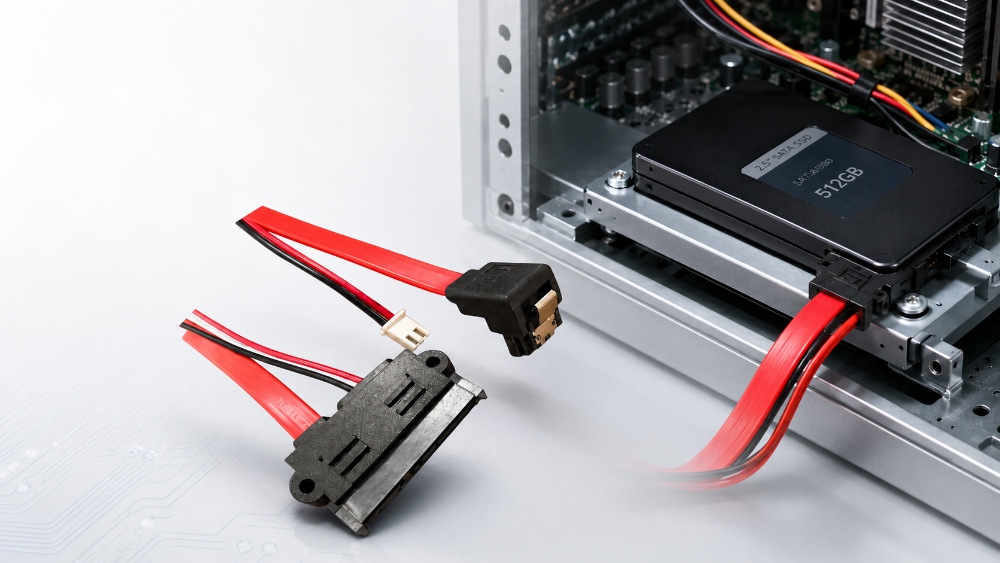
تجميع كابلات الشريط يدويًا أو آليًا للأسلاك الصناعية
يبدو تصميم الكابل المسطح سهلاً على الرسم. لكن المشكلة تبدأ عندما يتطلب الأمر إعادة تجميع نفس الكابل مرارًا وتكرارًا في الأسلاك الصناعية. قد توضع دفعة منه داخل خزانة تحكم، بينما قد توضع دفعة أخرى في معدات اختبار أو حاوية آلة صغيرة. السؤال الحقيقي هو: هل العمل اليدوي أم المعالجة الآلية يحققان التوازن الأمثل بين الاتساق، وجهد الإعداد، والوقت اللازم، والتحكم في التغييرات؟
ولهذا السبب، ليوكابل يُراعي هذا الخيار الأسلاك الداخلية للمعدات، والموصلات، وتجميعات الكابلات، لذا فهو ليس مجرد تفضيل من المصنع. قد يكون كابل الشريط المسطح ذو طرف IDC بسيطًا عندما يكون الرسم ثابتًا، ولكنه قد يصبح معقدًا عند تغير عدد الأطراف، أو المسافة بينها، أو طولها، أو اتجاه طيها، أو تخفيف الضغط، أو اتجاه الموصل بشكل متكرر. لهذا السبب، ينبغي على المشترين معاينة المشروع نفسه قبل طلب أسرع عرض سعر. قد يكون كابل IDC نفسه نموذجًا أوليًا قصيرًا، أو منتجًا متكرر الإنتاج، أو مسارًا سلكيًا مخصصًا لا يزال يتطلب مراجعة بشرية في عدة مراحل.
متى يكون تجميع كابل الشريط اليدوي أمراً منطقياً؟
لا يُعدّ الإنتاج اليدوي خيارًا ضعيفًا بالضرورة. ففي كثير من حالات التوريد الفعلية، لا يكون الطلب الأولي ناضجًا بما يكفي لاتباع مسار إنتاج ثابت تمامًا. قد لا يزال المشتري يتحقق من مساحة الخزانة، وتصميم اللوحة، واتجاه الموصل، أو كيفية انحناء الكابل بعد التركيب. إذا كان التصميم قابلًا للتغيير بعد العينة الأولى، فإن العمل اليدوي يمنح المصنع مجالًا للتعديل دون إلزام المشتري بأدوات محددة في وقت مبكر جدًا.
تحتاج الدفعات الصغيرة إلى معالجة مرنة
يُعدّ التجميع اليدوي مفيدًا عندما يكون الطلب الأول صغيرًا، أو عندما تكون قائمة الطرازات متنوعة، أو عندما يحتاج المشتري إلى عدة أطوال من الكابلات للمقارنة. يستطيع المشغل تجهيز كابل شريطي مسطح، ومحاذاة الموصل، والتحقق من علامة الحافة الحمراء، وإجراء اختبار قصير دون انتظار إعداد نظام أتمتة كامل. بالنسبة لوحدة تحكم صناعية جديدة أو جهاز اختبار، قد تكون هذه المرونة أكثر قيمة من توفير بسيط في كل قطعة.
وهنا أيضاً تظهر مشاكل الرسم الخفية. فقد يكون الموصل في الجهة الخاطئة بعد الطي، أو قد يكون الكابل أقصر بـ ٢٠ مم عند فتح باب العلبة. يتيح العمل اليدوي للمورد اكتشاف هذه التفاصيل بينما لا يزال حجم الطلب صغيراً بما يكفي للتعديل.
التفاصيل المخصصة تتطلب تقدير المشغل
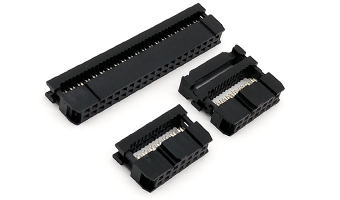
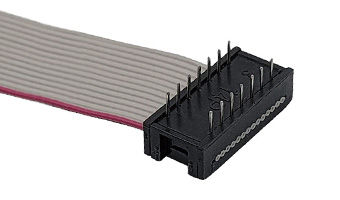
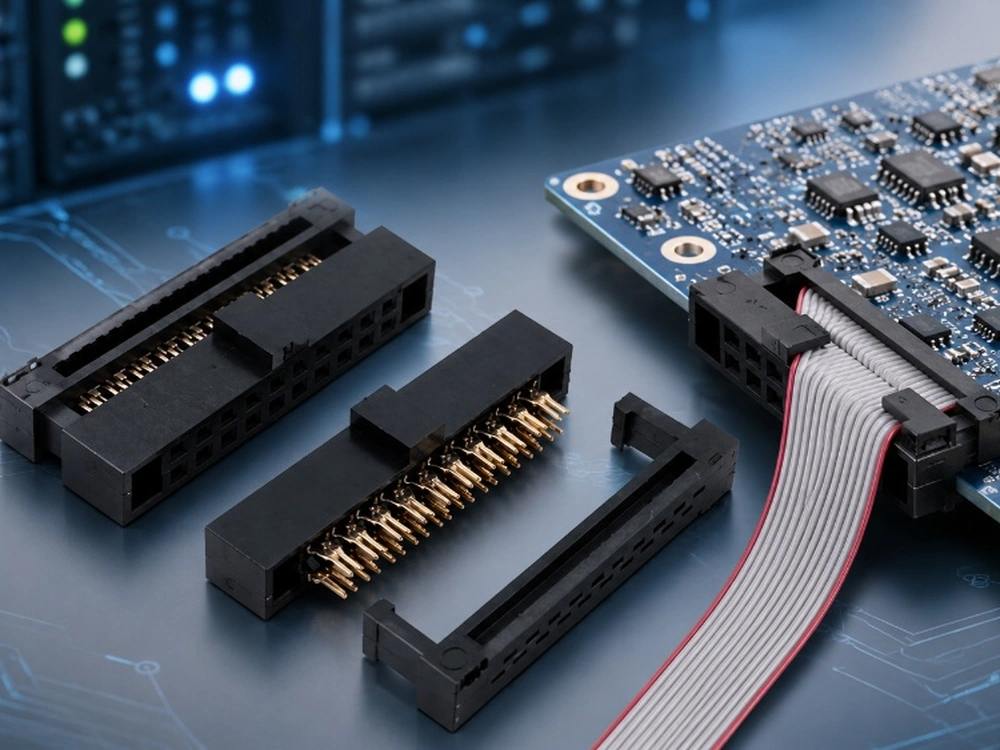
على سبيل المثال، المهنية IDC مسطحة مرنة كابل التجميع يُعدّ هذا توجهاً جيداً للمنتج، حيث ينبغي على المشتري التأكد من أكثر من مجرد عدد الموصلات. فنوع الموصل، وطول الكابل، والمسافة بين الموصلات، واتجاه التلامس، وطريقة الفحص النهائي، كلها عوامل تؤثر على إمكانية تكرار تجميع الكابل الشريطي بدقة. في حالة الطلبات الخاصة، قد يحتاج الفني إلى مقارنة العينة الفعلية بالرسم، وليس مجرد اتباع طول القطع.
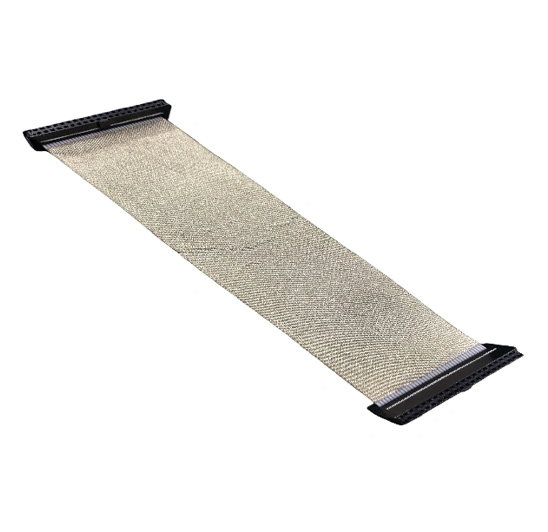
غالباً ما يكون العمل اليدوي أكثر أماناً عند تجميع المنتجات بكميات صغيرة، أو باستخدام موصلات ذات اتجاهات مختلفة، أو عند الحاجة إلى تغليف خاص. لكن هذا لا يُبرر قبول جودة رديئة. لا يزال المورد بحاجة إلى تعليمات عمل واضحة، وعينة معتمدة، وسجلات فحص، وفصل بين الإصدارات.
متى يكون التجميع الآلي هو الخيار الأفضل؟
تصبح الأتمتة أكثر جاذبية عندما يكون التصميم مستقرًا بالفعل. يتم اعتماد طول الكابل، وتحديد موضع الموصل، ومعرفة المشتري بالكمية الشهرية أو الربع سنوية المتوقعة. عند هذه النقطة، لا يعود الخطر الرئيسي هو تغيير التصميم، بل التباين بين المشغلين، ونوبات العمل، والدفعات.
تستفيد الطلبات المتكررة من خطوات عملية ثابتة
في عمليات تجميع الكابلات الشريطية المتكررة، يمكن للأتمتة أن تجعل عمليات القطع والتحديد والضغط وعدّ الدفعات أكثر اتساقًا. كما أن العملية المُحكمة تقلل من انحراف الطول، وعدم انتظام الضغط، وأخطاء وضع الموصلات. في علبة صغيرة، قد تحدد بضعة ملليمترات مسار كابل IDC، سواء كان مُرتبًا أم مُصطدمًا بمكون آخر.
لا يقتصر مفهوم الأتمتة على السرعة فحسب. صحيح أن تسريع العملية أمرٌ مفيد، لكن الاتساق هو الأهم في مجال التمديدات الكهربائية الصناعية. عندما يخطط المشتري لطلبات متكررة، يجب أن يكون المورد قادرًا على توضيح الخطوات المؤتمتة، والخطوات التي لا تزال تخضع للفحص اليدوي، وكيفية التعامل مع القطع المرفوضة. إذا لم يستطع المورد توضيح ذلك بوضوح، فإن مصطلح "مؤتمت" يفقد معناه.
تتطلب الأحجام الأكبر تحكمًا أفضل في الدفعات
مع ازدياد حجم الطلبات، يتحول السؤال الإنتاجي من "هل بإمكانكم تصنيعه؟" إلى "هل بإمكانكم تصنيع نفس المنتج في كل مرة؟". يمكن أن تساعد التجهيزات الآلية والضغط المُتحكم به، لكن التحكم في الدفعات لا يزال يعتمد على فحص المواد الواردة، وتخزين الموصلات، وإدارة لفائف الكابلات، والاختبار النهائي. قد تبدو موصلات الكابلات الشريطية متشابهة من الخارج، لذا يصبح وضع العلامات والتحكم في الإصدارات أمرًا بالغ الأهمية. ينبغي على المشتري الاستفسار عن كيفية منع المورد اختلاط الإصدارات القديمة بالجديدة.
|
مسار الإنتاج |
الأنسب لك |
المخاطر الرئيسية التي يجب السيطرة عليها |
|
التجميع اليدوي |
العينات، والكميات الصغيرة، والأطوال المختلطة، أو الرسومات المتغيرة |
تباين في أداء المشغلين وعدم وضوح تعليمات العمل |
|
التجميع شبه الآلي |
طلبات متكررة مع بعض الفحوصات المخصصة التي لا تزال مطلوبة |
تستخدم المحطات المختلفة معايير قبول مختلفة |
|
التجميع الآلي |
طلبات كابلات IDC أو الكابلات المسطحة بكميات كبيرة ومستقرة |
إعداد الأدوات، وتتبع الدفعات، والتحكم في إصدارات المواد |
كيف ينبغي للمشترين مقارنة الخيارات اليدوية والآلية؟
ينبغي أن تبدأ المقارنة العملية من وظيفة الكابل داخل الجهاز. يطلب بعض المشترين التشغيل الآلي مبكرًا جدًا لاعتقادهم أنه أكثر تطورًا. بينما يستمر آخرون في العمل اليدوي لفترة طويلة لأن الدفعات الأولى كانت مقبولة. الطريقة الأفضل هي مقارنة درجة التباعد، وطول الكابل، واتجاه الموصل، ومسار الانحناء، والكمية، وثبات الرسم.
تحقق من استقرار الرسم قبل اختيار العملية
إذا كانت عملية تصميم الرسم لا تزال قيد التطوير، فإن الإنتاج اليدوي أو شبه الآلي غالبًا ما يكون الخيار الأكثر أمانًا. أما إذا اجتاز الرسم اختبارات التركيب، فقد يقلل الإنتاج الآلي من التباين. لا ينبغي للمشترين الاعتماد على عرض سعر الوحدة فقط؛ فقد تتجاوز تكلفة إعادة العمل أثناء التجميع النهائي التوفير الطفيف في كل قطعة.
للمقارنة المبكرة، يمكن للمشترين استخدام فئة كابلات IDC المسطحة يُنصح بمقارنة تنسيقات الموصلات والكابلات ذات الصلة قبل اعتماد التصميم النهائي. يُعدّ هذا مفيدًا للغاية عندما يكون المشروع لا يزال في مرحلة الاختيار بين كابل IDC الأساسي، أو إصدار موصل الصندوق، أو مجموعة كابلات مسطحة تسلسلية. كلما تمّ التحقق من هذه الخيارات مبكرًا، قلّت احتمالية ظهور تغييرات في اللحظات الأخيرة.
اسأل عن كيفية فحص كل نقطة حرجة
في كل من العمل اليدوي والآلي، يجب ربط الفحص بنقاط الضعف. يمكن للمشتري أن يطلب من المورد تأكيد مدى تفاوت طول الكابل، واختبارات الاستمرارية، وفحوصات ضغط الموصلات، ووضع علامات على الدبوس الأول، والعيوب المرئية، وفصل مواد التغليف حسب الإصدار.
ينبغي أن تتناسب خطة الفحص مع التطبيق. قد يحتاج كابل نموذجي إلى مراجعة أسرع للعينات. وقد يحتاج كابل مستخدم في المعدات الصناعية إلى وضع علامات أكثر دقة وسجلات دفعات أكثر تفصيلاً، خاصةً عندما تبدو عدة إصدارات متشابهة إلى حد كبير.
ما هي تفاصيل المنتج التي يجب إصلاحها قبل الإنتاج؟
قبل بدء الإنتاج، ينبغي على المشتري التأكد من التفاصيل المادية التي يسهل إغفالها. قد تبدو هذه التفاصيل بسيطة على الورق، لكنها تحدد مدى سهولة تركيب الكابل. من أهم هذه التفاصيل: طول الكابل، والمسافة بين الأطراف، ونوع الموصل، واتجاه المفتاح، واتجاه الحافة الحمراء، واتجاه الطي، وما إذا كان الكابل يحتاج إلى موصل صندوقي أو فتحات تثبيت.
يؤثر اتجاه الموصل على عملية التركيب
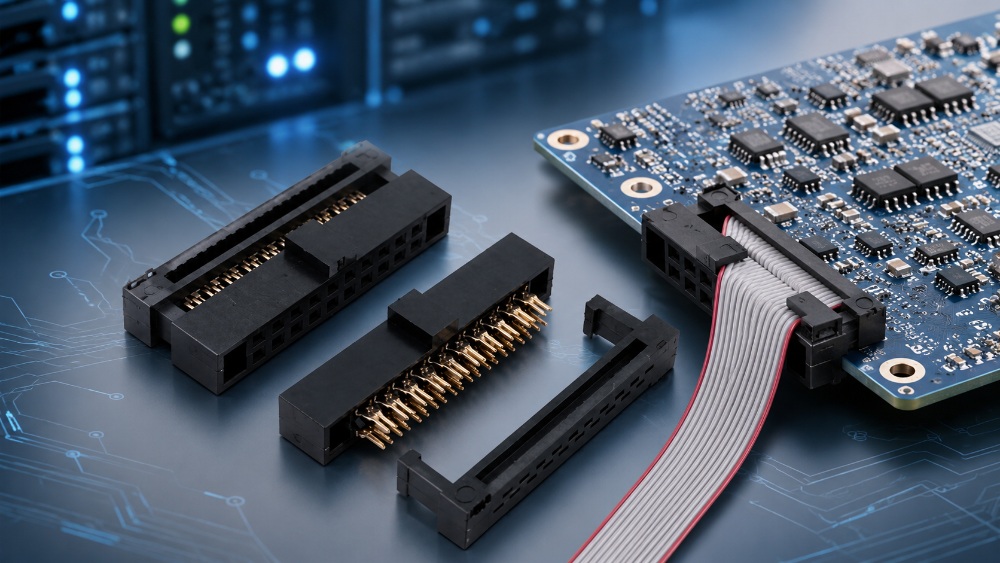
في المشاريع التي تحتاج إلى تحديد موقع أكثر وضوحاً، موصل IDC BOX المهني ومجموعة الكابلات المسطحة يُعدّ هذا مرجعًا مفيدًا لتركيب أكثر أمانًا. تُساعد أشكال موصلات الصندوق في التحكم باتجاه التوصيل وتقليل الإدخال الخاطئ في بعض تصميمات المعدات. مع ذلك، ينبغي على المشترين التأكد من اتجاه الموصل بدقة من خلال عينة، لأن الصورة نفسها قد تُفسَّر بشكل مختلف من قِبل فرق الهندسة والمشتريات والتجميع.
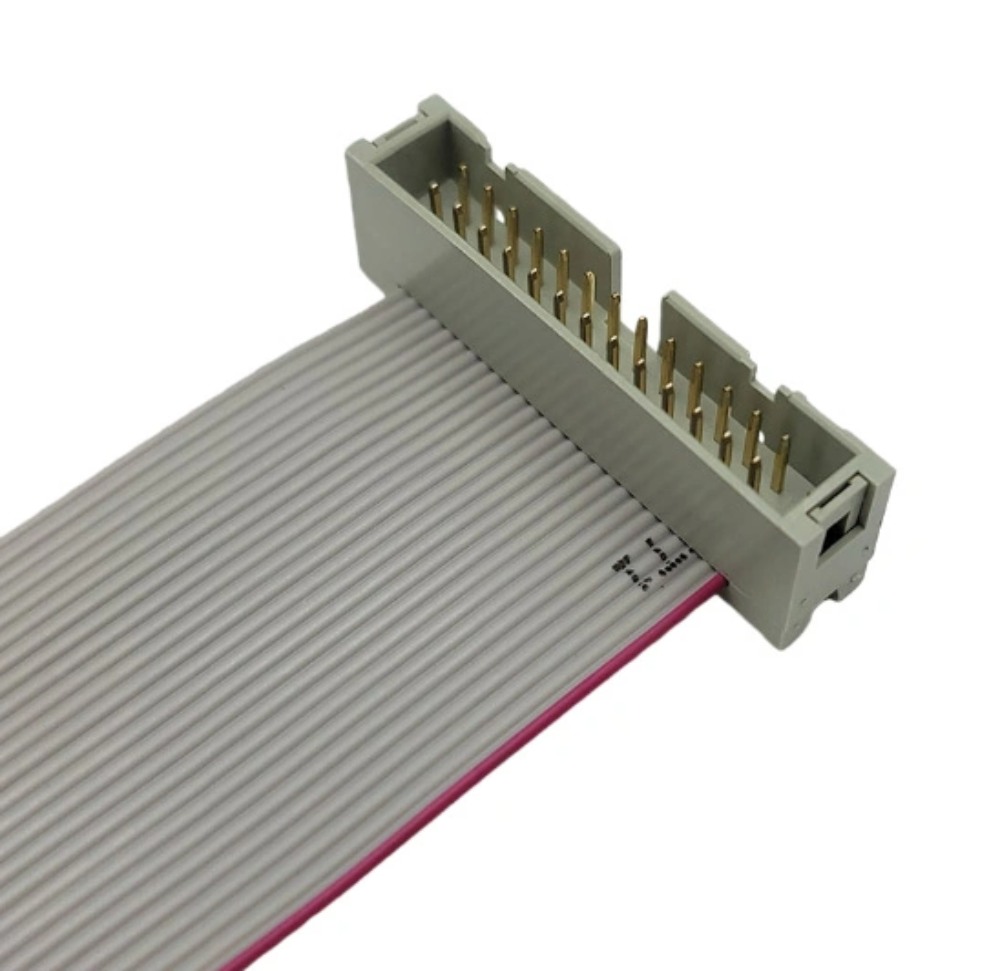
للتأكد من سلامة التركيب، ضع العينة في العلبة الحقيقية والتقط صورة لها من جهة التركيب. حدد الدبوس رقم واحد على الرسم وعلى كيس العينة. تمنع هذه الخطوات مشكلة شائعة: اجتياز المنتج للاختبارات الكهربائية، لكن يبدو غير مناسب أثناء تجميع الجهاز النهائي.
قواعد التعبئة: احتفظ بالتعديلات منفصلة
يُعدّ التغليف جزءًا أساسيًا من جودة تجميعات الكابلات الشريطية. فإذا بدت خمسة إصدارات متطابقة تقريبًا، فإنّ ملصق الكيس وملصق الكرتون والفصل الداخلي يُصبحان مهمّين. ينبغي على المشتري الاستفسار عمّا إذا كان كل إصدار مُغلّفًا برقم القطعة، وما إذا كانت العينات مُعلّمة، وما إذا كانت الأطوال المختلطة مفصولة. بالنسبة لتجميعات الكابلات الشريطية المُخصّصة، يُمكن أن يُوفّر هذا وقتًا أكبر من تحسين طفيف في سرعة الإنتاج.
ينبغي على المورد أيضاً تأكيد حماية الكابل أثناء النقل. قد يتلف الكابل المسطح نتيجة الطي الشديد أو علامات الضغط، بينما قد تتعرض موصلات الكابل الشريطي لانحناء في نقاط التلامس إذا تحركت أجزاء سائبة داخل الكرتون.
كيف يمكن لفرق المشتريات اختيار المورد المناسب؟
لا ينبغي أن يقتصر اختيار المورد على ما إذا كان المصنع يستخدم نظامًا يدويًا أم آليًا. بل الأهم هو ما إذا كان المورد قادرًا على شرح العملية بطريقة تتناسب مع مرحلة مشروع المشتري. بالنسبة للعينات الأولية، ابحث عن مراجعة الرسومات وإمكانية التصحيح السريع. أما بالنسبة للدفعات المتكررة، فابحث عن سجلات العملية، وخطوات الاختبار، ونظام التحكم في الإصدارات. وبالنسبة للطلبات المختلطة، ابحث عن دقة في وضع العلامات والتعبئة.
مراجعة العينات مثل قطع الإنتاج
ينبغي اعتبار الموافقة على العينة بمثابة المعيار الأول للإنتاج. يجب على المشتري الموافقة على الطول، واتجاه الموصل، واتجاه الشريط، وجودة الضغط، والتغليف النهائي. ويمكن أن تجعل صورة تركيب قصيرة الموافقة أكثر فائدة من صورة المنتج من الأمام فقط.
لإجراء مقارنة أوسع للمنتجات، منتجات LEOCABLE يُوفر هذا النظام لفرق المشتريات نقطة انطلاق لمقارنة تجميعات الأسلاك الداخلية والموصلات وخيارات الكابلات ذات الصلة. وبمجرد حصول المشتري على رسم أو طلب عينة، يُمكن للمورد تقديم المشورة بشأن ما إذا كان التجميع اليدوي أو العمل شبه الآلي أو العمل الآلي بالكامل هو الأنسب للمهمة.
استخدم أسئلة تكشف عن التحكم في العمليات
قبل الانتهاء من تجميع كابلات الشريط المخصصة، يمكن للمشترين مشاركة الرسومات والحجم المتوقع والمعدات المستهدفة وملاحظات العينة من خلال اتصل بناينبغي أن يتضمن طلب عرض الأسعار المفيد أسئلة حول الخطوات اليدوية، والخطوات التي يتم التحكم فيها آلياً، وكيفية فحص القطعة الأولى، وكيفية إدارة ملصقات الدفعات. وتُظهر هذه الإجابات معلومات أكثر من مجرد جدول أسعار مختصر.
خاتمة
يُعدّ تجميع كابلات الشريط يدويًا وآليًا خيارًا مناسبًا في مجال التمديدات الكهربائية الصناعية. يوفر العمل اليدوي مرونةً أكبر عند تغيير الرسومات أو عندما يكون حجم الطلبات صغيرًا. بينما يضمن التشغيل الآلي اتساقًا أعلى عند استقرار التصميم وتوقع تكرار دفعات الإنتاج. ويعتمد الخيار الأمثل على وظيفة الكابل، وليس على مجرد الاعتقاد بأن عمليةً ما هي الأفضل دائمًا.
بالنسبة للمشترين، يتمثل المسار العملي في تأكيد الرسم، والموافقة على عينة حقيقية، والتحقق من نقاط الفحص، واختيار مورد يمكنه شرح كيفية التحكم في العملية.
الأسئلة الشائعة
س1: هل تجميع كابلات الشريط الآلي أفضل دائمًا من التجميع اليدوي؟
ج1: لا. الإنتاج الآلي مفيد للطلبات المتكررة الثابتة، ولكن العمل اليدوي أو شبه الآلي قد يكون أفضل للعينات أو الأطوال المختلطة أو الرسومات التي لا تزال بحاجة إلى تعديل.
س2: ما الذي يجب على المشترين التأكد منه قبل طلب كابل IDC؟
A2: يجب على المشترين التأكد من طول الكابل، ونوع الموصل، والمسافة بين الأطراف، وعلامة الدبوس الأول، واتجاه الموصل، ومسار الطي، واختبار الاستمرارية، وفصل التعبئة حسب الإصدار.
س3: متى يجب أن تنتقل تجميعات كابلات الشريط المخصصة من الإنتاج اليدوي إلى الإنتاج الآلي؟
ج3: عادة ما تكون هذه الخطوة منطقية عندما تتم الموافقة على العينة، ويكون الرسم مستقرًا، وحجم الطلب قابل للتكرار، ويمكن للمورد التحكم في عمليات الفحص وسجلات الدفعات.