

目錄
相關新聞
IDC or Crimp Termination: Matching Cable Assembly Method to Volume, Wire Type, and Service Needs
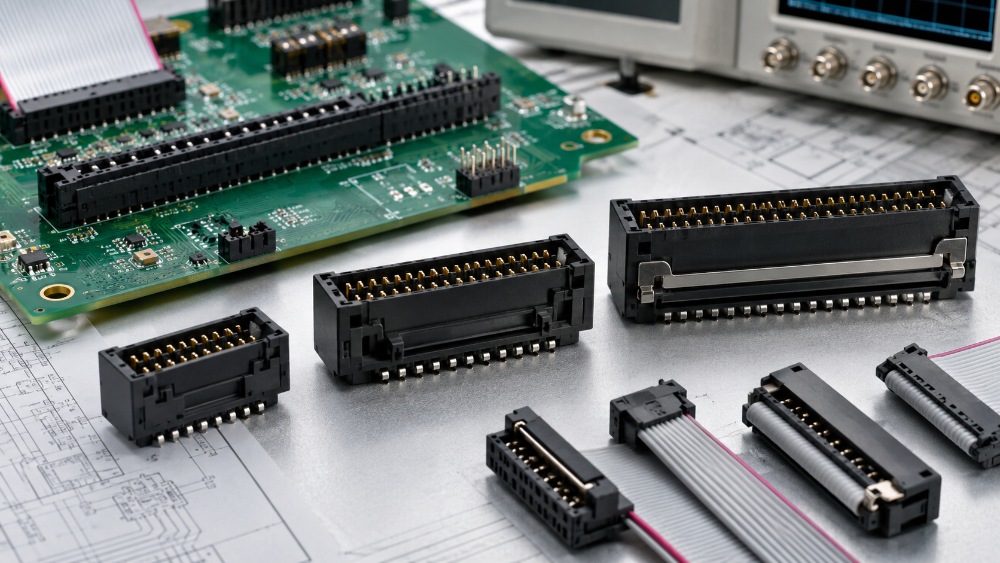
IDC and crimp termination are not “better or worse” in a general way. They solve different cable assembly problems. IDC termination usually makes more sense when a project uses multi-conductor flat cable, standard pitch connectors, repeatable pin layouts, and larger production volumes. Crimp termination is often safer when the design uses separated wires, mixed connector positions, lower-volume builds, or service work where one wire may need to be replaced or inspected.
For buyers, the real risk is sending an RFQ that only says “custom cable assembly” without naming the termination method, wire type, pitch, pin count, and inspection point. Two samples may look similar in photos but behave very differently in production.
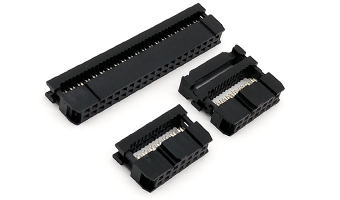
LEOCABLE’s connector and internal wiring range gives buyers practical references for this decision. IDC socket connector products are useful when flat cables and repeatable board-to-cable termination are the priority. Crimp-style terminal harness products are more relevant when the cable path needs separated wires, power routing, or different connector families at each end.
Why Should Termination Method Be Decided Before the Cable Assembly Quote?
Termination choice changes tooling, labor, inspection, rework, packing, and repeat orders. If buyers leave this decision open until sampling, the supplier may choose the fastest option for the first sample rather than the most stable option for the final build.
IDC and crimp change the production process
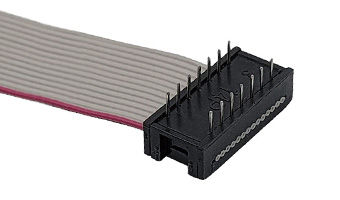
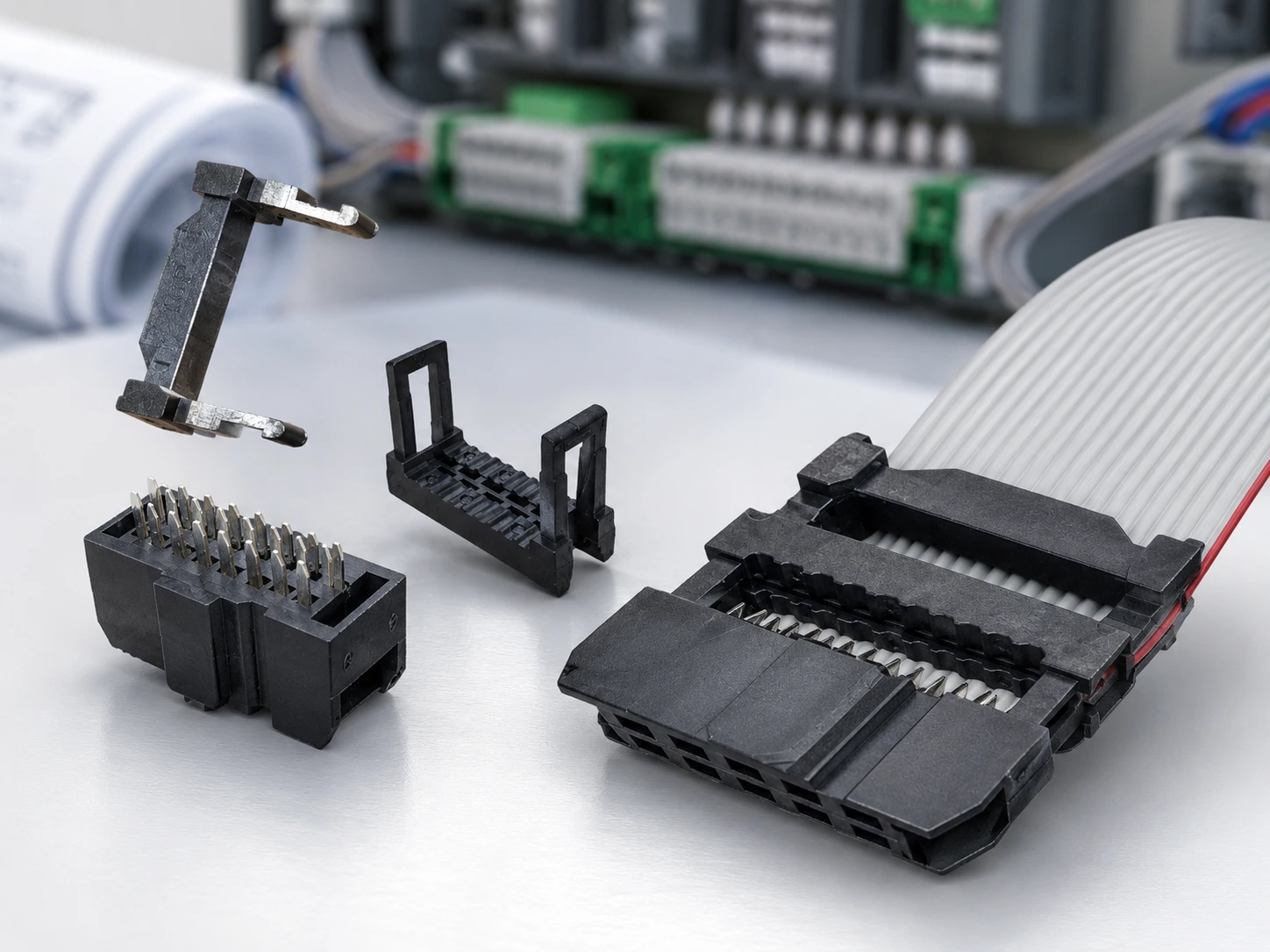
IDC termination presses the cable into insulation displacement contacts, so the connector blades pierce the insulation and contact the conductor. This is why IDC is commonly used with ribbon cable or flat cable assemblies. It can terminate multiple conductors in one controlled operation when the pinout is fixed.
Crimp termination works differently. Each wire is prepared and joined to a terminal before being inserted into a housing or connected to another interface. That takes more individual handling, but it gives engineers more freedom when wires need to split, route around parts, or connect to different terminal families.
The practical solution is simple: decide the termination method before comparing prices. Otherwise, one supplier may quote an idc cable assembly, while another quotes a crimped harness.
A vague RFQ can cause wrong connector selection
A vague RFQ often starts with good intentions. The buyer sends a photo, adds a target length, and asks for a quote. But photos do not always show wire pitch, contact structure, terminal material, latch design, or whether the cable is built for mass termination or individual wire routing.
For IDC projects, the RFQ should identify flat cable type, conductor pitch, connector pitch, pin count, cable exit direction, and whether a locking or foolproof structure is required. For crimp projects, it should identify wire gauge, terminal type, housing family, current requirement, wire color, and contact-resistance checks.
If a sourcing team is already seeing quote gaps for similar cable assemblies, the next step is usually not asking for a lower price first. It is tightening the termination definition so every supplier quotes the same build.
When Does IDC Termination Make More Sense?
IDC termination is a strong fit when the cable is flat, the pinout is stable, and the buyer wants a faster way to connect many conductors to a board-side connector. It is common in industrial control, communication equipment, test instruments, and compact electronics where internal signal paths need to stay organized.
Multi-conductor flat cables benefit from mass termination
The main advantage of IDC is repeatability. When a flat cable is aligned correctly and pressed into the connector, multiple conductors can be terminated at once. This reduces the number of separate manual operations compared with crimping each wire.
For production teams, that can mean fewer chances to mix wire order, miss a conductor, or create uneven terminal positions. For buyers, inspection also becomes more structured: cable alignment, connector seating, continuity, and mating fit are the key points.
IDC works best when the cable stays in a predictable flat layout and the connector pitch matches the cable pitch. If the design needs branches, separate routes, or high-flex movement at different wire positions, crimp termination may be better.
Standard pitch and pin count improve repeatability
LEOCABLE’s 2.54mm IDC插座連接器線對板連接器 supports 06-64P configurations and uses PBT+GF UL94V-0 insulation, phosphor copper or brass contacts, nickel or gold-plated options, a 1A rating, 250V voltage rating, 20mΩ contact resistance, 1000MΩ minimum insulation resistance, and 500V AC/min withstand voltage.
For buyers, those details create a clearer acceptance base. Current rating, insulation performance, contact resistance, material, and pitch can all be written into the sample file. A standard idc socket connector becomes easier to verify during receiving and easier to reorder later.
When space is tighter, LEOCABLE’s 2.0mm IDC插座連接器線對板連接器 gives a more compact option while keeping the IDC production logic. For higher-density designs, the 1.27mm x 1.27mm兩件式IDC插座連接器 can be reviewed when PCB space and signal density matter more than easy manual handling.
When Is Crimp Termination the Safer Choice?
Crimp termination is often safer when the cable cannot stay in a neat flat path. It gives more flexibility for separated wires, different connector families, power lines, custom routing, and service access. This is why it still matters even when IDC is faster for many flat cable applications.
Individual wires need more routing freedom
A crimped cable assembly can send red and black power wires to one area, signal wires to another, and ground wires to a different terminal. That flexibility is useful in control panels, power modules, mobile devices, medical equipment, automotive electronics, and equipment where connectors sit in different physical locations.
LEOCABLE’s 專業PH2.0至SM3.96空氣對接電纜 shows this routing logic. It uses a PH2.0mm plug connector to an SM3.96mm air butt connector, brass terminals, high-temperature engineering plastic housing, UL1007 20AWG black/red wire, and 300V AC/DC working voltage. The product also supports customization of terminal color, wire color, and length.
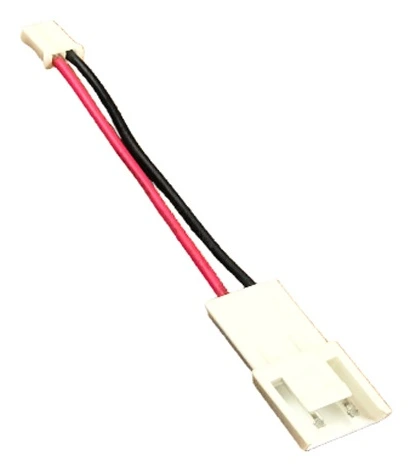
For buyers, this product solves a different problem from IDC. It is not about terminating many flat conductors at once. It is about matching two connector families, keeping polarity visible, and giving the cable enough routing freedom for the actual device.
Custom or low-volume projects may not justify IDC tooling
Crimp termination can make sense when the project is customized, low volume, or still changing. If the housing is not final, the board location may move, or the connector family may change, committing to an IDC layout too early can create rework.
This is the stage where a custom cable assembly should be treated as a design file, not just a sample photo. Buyers should confirm wire gauge, terminal model, housing material, voltage or current requirement, color rule, length tolerance, and any pull or continuity testing before batch orders.
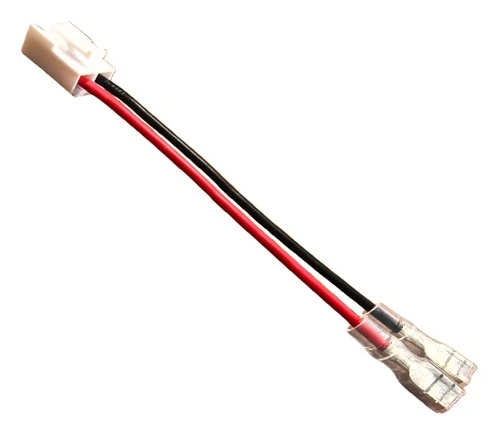
LEOCABLE’s 專業反弧連接電纜組件 use a 3.96mm housing connector to a 4.8mm label connector, UL1007 18AWG red/black wire, transparent sleeve arc protection, 300V rated voltage, and 80°C operating temperature. This kind of structure is more relevant when power routing, protection, and connector matching matter more than mass flat-cable termination.
What Failure Modes Should Buyers Compare Before Approval?
The best choice is the one that reduces the failure mode most likely in the final equipment. IDC and crimp assemblies fail in different ways, so the sample approval method should also be different.
IDC failures often start with alignment or incomplete penetration
For an idc socket, the most important checks are cable alignment, conductor pitch, full seating, and whether the IDC contact cuts through the insulation correctly. If the flat cable is offset or not pressed fully, the connector may pass a quick visual check but create intermittent signal problems later.
The solution is to inspect a sample by process, not only by appearance. Buyers should ask for continuity testing, connector mating checks, and a visual check of cable position. For a repeat order, the approved sample should stay tied to the drawing revision and packing label.
Crimp failures often come from force, position, or material mismatch
Crimp failures usually come from insufficient crimping force, wrong wire strip length, loose terminal fit, weak terminal material, or pulling during assembly. A crimped terminal may look close to correct but still fail under vibration, handling, or repeated service.
A stronger sample review should include terminal fit, contact resistance, pull strength where applicable, housing lock, wire color, and cable route. If the cable will be handled during service, the approval standard should reflect that, not just a one-time electrical pass.
How Should Buyers Build an RFQ Around IDC or Crimp Termination?
A good RFQ does not need to be long. It needs to remove guessing. The best RFQs tell the supplier what must not change, what can be customized, and how the sample will be approved.
Separate fixed specs from negotiable details
Fixed specs usually include wire type, connector family, pitch, pin count, termination method, wire gauge, current or signal requirement, and application environment. Negotiable details may include cable length, color, packing method, label format, and sample quantity.
If the project is still open, say so clearly. LEOCABLE’s IDC Sockets & DIP Plug Connectors category can help buyers compare connector families, while LEOCABLE ODM/OEM support is more relevant when drawings, samples, and batch requirements need to be aligned before production.
Ask for a sample that proves the chosen termination method
The sample should prove the reason for choosing IDC or crimp. For IDC, check alignment, continuity, connector seating, pitch match, and cable direction. For crimp, check terminal fit, wire strip consistency, contact resistance, pull resistance where required, and housing lock.
If the sample approval file only says “sample OK”, the next batch still has room for misunderstanding. If it records termination method, connector model, wire type, inspection points, and packing rule, repeat orders become easier to control. That is also how an idc cable assembly or crimped harness becomes a repeatable production part, not just a one-time sample.
Conclusion
IDC and crimp termination should be chosen around production volume, wire type, connector pitch, mechanical stress, inspection method, and service needs. IDC termination is often the better choice for multi-conductor flat cables, stable pinouts, and repeatable board-to-cable assembly. Crimp termination is often safer for separated wires, mixed connectors, custom routing, and serviceable harness designs.
For buyers, the next step is not just asking which method is cheaper. It is defining the cable job clearly enough that the supplier can build the same part twice. If your team is comparing IDC and crimp options for an internal cable assembly, prepare the wire drawing, old sample, pitch, pin count, wire gauge, current or signal requirement, quantity, and application environment. Then contact LEOCABLE to review which termination method fits the project before approving samples for batch production.
FAQs
Q1: Is IDC termination always better than crimp termination?
A1: No. IDC termination is usually better for flat cable mass termination, while crimp termination may fit separated wires, custom routing, lower-volume projects, or serviceable harness designs.
Q2: What should buyers check before choosing an IDC socket connector?
A2: Buyers should check pitch, pin count, cable pitch, cable type, contact material, locking structure, mating direction, and whether the cable can be pressed evenly into the IDC slot.
Q3: What should be included in an RFQ for IDC or crimp cable assembly?
A3: Include wire type, pitch, pin count, terminal interface, termination method, cable length, quantity, application environment, sample requirements, and inspection points.