

جدول المحتويات
أخبار ذات صلة
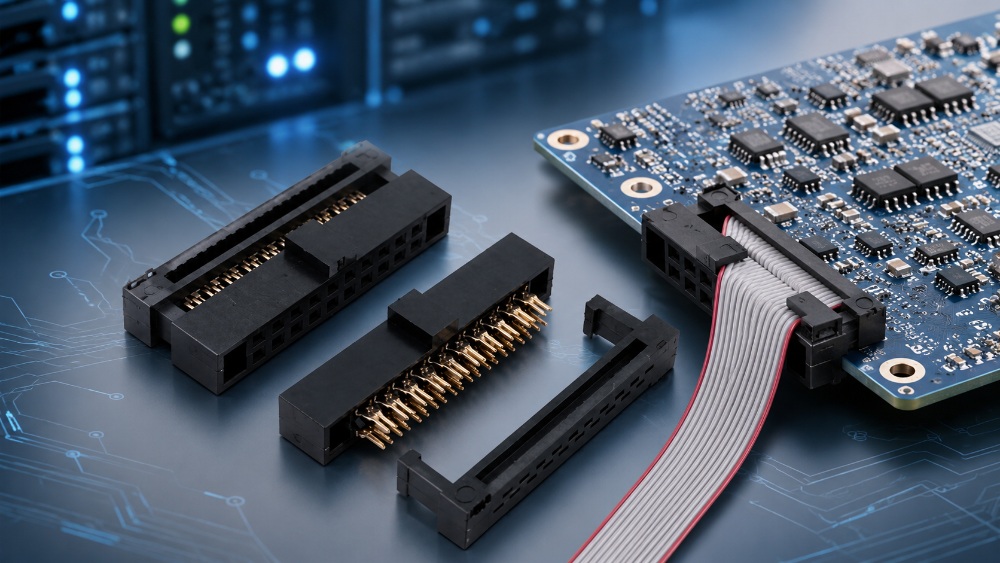

تجميعات الكابلات المسطحة لتوصيلات أسلاك أنظف في علب إلكترونية صغيرة الحجم
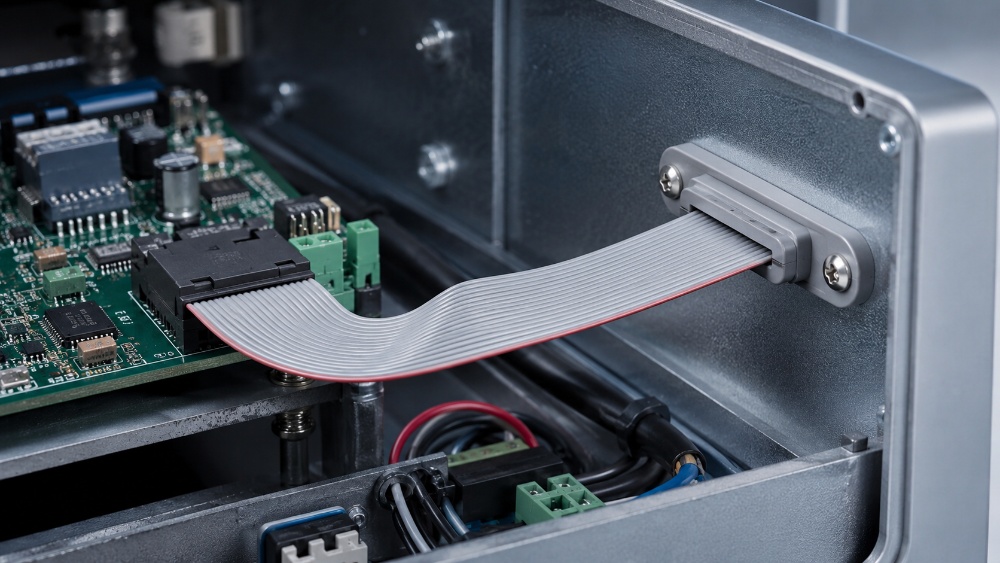
لا يقتصر تأثير تصميم الكابلات المنظم داخل الأجهزة الصغيرة على المظهر فحسب، بل يمتد ليشمل تدفق الهواء، وسهولة الوصول للصيانة، وأمان الموصلات، وسرعة الاختبار، واستقرار الإشارة على المدى الطويل. ففي العلب الإلكترونية الصغيرة، قد تحجب بعض الأسلاك غير المنظمة الغطاء، أو تضغط على المروحة، أو تخفي الموصلات، أو تُبطئ عملية استكشاف الأعطال وإصلاحها أثناء الإنتاج والصيانة.
هنا تبرز فائدة تجميعات الكابلات المسطحة. فتصميمها المنخفض يُسهّل على المهندسين توجيه الإشارات بين موصلات لوحة الدوائر المطبوعة، وواجهات اللوحة، والأقواس الداخلية دون الحاجة إلى إنشاء حلقات كابلات ضخمة. وعندما يتميز الكابل ببنية موصل آمنة، فإنه يدعم توصيلات داخلية أكثر تنظيمًا ويقلل من الحركة عند نقطة التوصيل.
لماذا يُعدّ تخطيط الكابلات مهمًا في المعدات الصغيرة
لا تترك العلب الصغيرة مجالاً يُذكر لاتخاذ قرارات متأخرة بشأن توصيل الأسلاك. قد تتنافس اللوحات الإلكترونية، ومشتتات الحرارة، والشاشات، والأزرار، وأعمدة التثبيت، والمنافذ على نفس المساحة الضيقة. إذا لم يتم التخطيط لمسار الكابلات مسبقاً، فغالباً ما يعتمد التجميع النهائي على ثني الكابلات أو تجميعها يدوياً، مما قد يُحدث تبايناً بين الوحدات.
مساحة محدودة حول اللوحات والألواح
قد تكون حزم الأسلاك الدائرية مناسبة للأجهزة الكبيرة، ولكن يصعب التعامل معها في الهياكل الضحلة. فهي غالبًا ما ترتفع فوق المكونات، وتمر عبر مناطق الصيانة، أو تتجمع في حزم سميكة بالقرب من الغطاء. وهذا قد يُصعّب عملية الفحص، وقد يعيق تدفق الهواء.
تساعد الكابلات الشريطية المسطحة في تقليل مشكلة الارتفاع. إذ يمكن مدّها على طول جدار الهيكل، أو حافة لوحة الدوائر المطبوعة، أو منطقة دعامة مسطحة، مما يقلل من التراكم الرأسي. بالنسبة لتوصيلات الأسلاك داخل العلب الإلكترونية، يُسهّل هذا التصميم رؤية مسار الكابل وتكراره أثناء التجميع.
تُشكل الاهتزازات وسهولة الوصول إلى الخدمات مخاطر إضافية
لا يكفي مجرد وجود مسار منظم. فالمراوح والمحركات والنقل وفتح الأبواب والصيانة كلها عوامل قد تنقل الحركة إلى الموصل. وقد يتحرك القابس الذي يبدو محكمًا أثناء التركيب قليلًا مع مرور الوقت إذا لم يكن هناك مزلاج أو نقطة تثبيت أو مسار كابل مُتحكم فيه.
قد تؤدي حركة بسيطة إلى انقطاع متقطع في الإشارة. وقد لا يتعطل الجهاز تمامًا، مما يجعل تحديد السبب صعبًا. لذا، ينبغي أن يجمع التصميم الأمثل بين التوجيه السليم للموصلات ودعمها ميكانيكيًا.
كيف تدعم تصميمات الكابلات المسطحة توجيهًا أنظف
لا تكمن القيمة الأساسية للكابل المسطح في كونه رقيقًا، بل في أنه يجعل مسار الكابل أكثر قابلية للتنبؤ. تبقى الموصلات مرتبة بشكل متوازٍ، ويمكن توجيه الكابل في طبقة واحدة بدلًا من انتشاره عبر الغلاف.
المسارات منخفضة الارتفاع توفر مساحة مفيدة
يمكن وضع تجميعات الكابلات المسطحة بالقرب من السطح، مما يوفر مساحة أكبر للأغطية والمراوح ومشتتات الحرارة وسهولة الوصول للصيانة. كما يمكن طيها عند نقاط محددة أو تثبيتها بمشابك ومواد لاصقة. بالمقارنة مع الحزم غير المرتبة، يجعل هذا التجميع أكثر ترتيبًا وأسهل في الفحص.
تساعد الكابلات الشريطية المسطحة فرق الإنتاج على اكتشاف أخطاء التوصيل مبكراً. فالكابل الملتوي أو المضغوط أو الموضوع بالقرب من منطقة ساخنة يسهل رؤيته قبل إغلاق الغلاف، مما يقلل من الحاجة إلى إعادة العمل أثناء الاختبار النهائي.
طرفية IDC تناسب وصلات الإشارة متعددة الموصلات
تُستخدم تقنية IDC على نطاق واسع في توصيلات الكابلات الشريطية لقدرتها على إنهاء عدة موصلات دون الحاجة إلى تجريد كل سلك على حدة. وهذا يُسهم في كفاءة عملية التجميع عند مطابقة المسافة بين الموصلات والموصلات المتوافقة بشكل صحيح.
يُعد كابل مقبس IDC مناسبًا غالبًا لمسارات الإشارة القصيرة بين اللوحات والألواح والوحدات الداخلية. ويمكن أن يكون موصل IDC بقطر 2.54 مم عمليًا عندما يحتاج المهندسون إلى معالجة موثوقة، وتوصيل واضح، وسهولة الوصول للصيانة، بدلًا من التصغير المفرط.
ما يجب التحقق منه قبل اختيار الكابل
ينبغي اختيار الكابل كجزء من تصميم العلبة، وليس كأمر ثانوي. يعتمد الاختيار الأمثل على المتطلبات الكهربائية، وتباعد الموصلات، وطريقة التركيب، ومسار الانحناء، ومدى سهولة الوصول للصيانة بعد التجميع.
رمية الكرة، وعدد الدبابيس، واتجاه التزاوج
يجب أن تتطابق مسافة الموصل مع رأس لوحة الدوائر المطبوعة أو المقبس المقابل. ينبغي أن يفي عدد الأطراف بمتطلبات الدائرة دون إضافة عرض غير ضروري للكابل. كما أن اتجاه التوصيل مهم أيضًا. فإذا خرج الكابل في الاتجاه الخاطئ، فقد يحتاج إلى انحناء حاد يُضيف ضغطًا بالقرب من الموصل.
بالنسبة لمسار إشارة بسيط، قد يكون مقبس IDC ذو 10 دبابيس كافيًا للعديد من توصيلات التحكم، والمؤشرات، والمستشعرات، أو توصيلات اللوحة باللوحة. مع ذلك، يجب مراعاة التيار، والجهد، ونوع الإشارة، وطول الكابل، والموقع الفعلي للجزء المراد توصيله عند اتخاذ القرار النهائي.
الطول، والتركيب، والتثبيت
يجب أن يشمل طول الكابل المسار الفعلي، وليس فقط المسافة المستقيمة. فالكابل القصير قد يضغط على الموصل، بينما قد يشكل الكابل الطويل جدًا حلقات تُفقد عملية التوصيل النظيف جدواها. وعادةً ما يكون الطول الأمثل هو ترك مسافة كافية بين الكابل والجهاز دون وجود فائض زائد.
تساعد مجموعة الكابلات المخصصة في حل هذه المشكلة عندما يكون للجهاز مواقع ثابتة على اللوحة واحتياجات إنتاج متكررة. يمكن مطابقة طول الكابل وعدد الدبابيس ولون المقبس مع الغلاف، بينما يمكن مراجعة متطلبات تخطيط الموصل أثناء مناقشة المشروع.
كيف يلبي كابل Leocable المسطح ذو 10 دبابيس IDC مقاس 2.54 مم هذه الحاجة
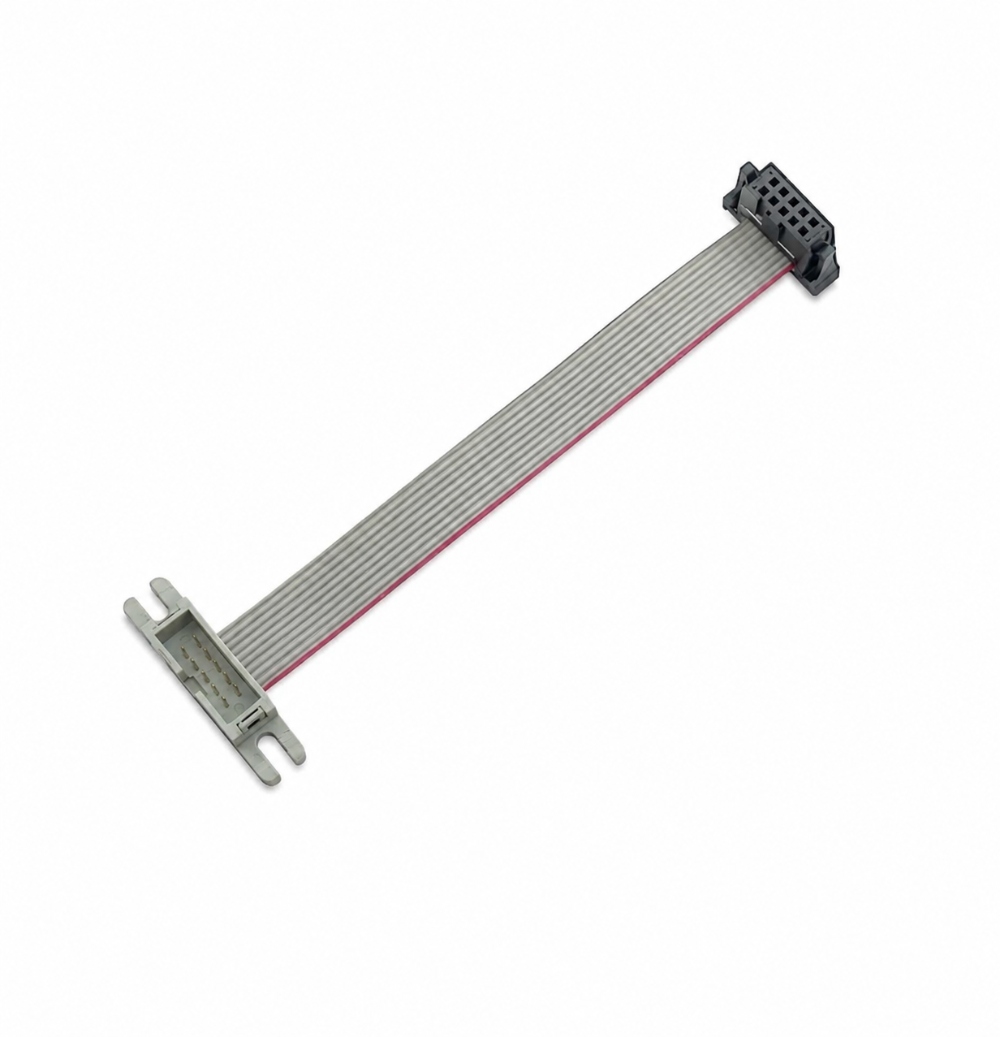
في ليوكابلنحن نصمم حلولاً للكابلات والموصلات للأجهزة التي تتطلب مراعاة المساحة والاستقرار وجودة التجميع. وفي هذا السياق، تتجلى قيمة المنتج بوضوح من خلال حل مشكلة التوصيلات الكهربائية: إذ يحتاج الجهاز الصغير إلى مسار إشارة مسطح يمكن تثبيته من جانب واحد وتثبيته على الهيكل أو اللوحة من الجانب الآخر.
إن 2.54mm 10P IDC إلى BF كابل مسطح يستخدم مقبس IDC ذو 10 مواضع بقطر 2.54 مم مزود بمشبك قفل، وموصل BF مزود بفتحات تثبيت لولبية. يدعم هذا التصميم مسارًا أكثر سلاسة بين اللوحة الأم واللوحة الأمامية في الأجهزة الإلكترونية ذات الكثافة العالية.
شكل مسطح لتنظيم التوجيه
يستخدم الكابل شكلاً مسطحاً على شكل شريط لتسهيل مروره داخل الهيكل. فهو يمر بسهولة أكبر عبر جدار الهيكل أو حافة اللوحة أو منطقة التثبيت مقارنةً بالكابلات السميكة المستديرة. وهذا يُسهم في تقليل الفوضى حول المراوح والأغطية ومناطق الصيانة.
يبلغ المقطع العرضي لموصلات النحاس المطلية بالقصدير حوالي 0.08 مم²، ويحمل الغلاف الخارجي المصنوع من مادة PVC تصنيف VW-1 لمقاومة اللهب. يتحمل الكابل جهدًا يصل إلى 300 فولت، مع خيارات درجة حرارة 80 درجة مئوية أو 105 درجة مئوية حسب النوع. تُناسب هذه المواصفات تطبيقات الإشارات الداخلية ذات التيار المنخفض عند توافقها مع تصميم الجهاز.
قفل جانبي لدائرة IDC لمقاومة الاهتزاز
يستخدم مقبس IDC بلاستيكًا هندسيًا أسود اللون من نوع PBT-V90 مزودًا بمشبك قفل مدمج. يساعد هذا المشبك على تقليل السحب العرضي والحركة الناتجة عن الاهتزاز أو التعامل أو الوصول المتكرر إلى العلبة.
صُمم هذا المنتج لتحمل تيار مستمر آمن لا يتجاوز 0.3 أمبير. في تطبيقات التحكم بالتيارات المنخفضة أو توجيه الإشارات، يُعد استقرار الموصل والتحكم في المسار أمراً بالغ الأهمية، لأن تشخيص الأعطال المتقطعة قد يكون أصعب من تشخيص الأعطال الكاملة.
موصل BF مع تثبيت الهيكل
يتميز موصل BF بغلاف رمادي اللون، ودبابيس مطلية بالذهب، وفتحات تثبيت لولبية. تسمح فتحات التثبيت بتثبيت الموصل على هيكل أو لوحة بدلاً من تركه معلقًا داخل الجهاز. وهذا من شأنه أن يجعل التصميم النهائي أكثر أناقة ويقلل الضغط على نقطة التوصيل.
في توصيلات الأسلاك بين اللوحة واللوحة الأمامية، تُعدّ هذه التفاصيل مفيدة لأن الموصل يصبح جزءًا من هيكل العلبة. ويمكن توجيه الكابل وتثبيته وصيانته بسهولة أكبر بفضل مرجع ميكانيكي واضح.
خيارات مخصصة لتصميمات الشركات المصنعة الأصلية
نادراً ما تشترك الأجهزة المختلفة في نفس مسار الكابل. يمكن تخصيص طول الكابل ولون المقبس وعدد الدبابيس لتلبية احتياجات المشروع. من خلال دعم تجميع الكابلات من قبل مصنعي المعدات الأصلية ومصنعي التصميم الأصلي, يمكن للفرق الهندسية مواءمة الكابل مع مساحة العلبة وموضع اللوحة ومتطلبات الإنتاج قبل بدء التجميع الضخم.
لا يقتصر التخصيص على مجرد التفضيل الشخصي، بل يمكنه تقليل الكابلات الزائدة، وتحسين إمكانية التكرار، وتسهيل فحص المنتج النهائي.
نصائح عملية لتوصيل أسلاك العلبة بشكل أنظف
يعتمد ترتيب الأسلاك بشكل أنيق على عدة خيارات تصميمية بسيطة. مرر الكابلات على طول الحواف بدلاً من تمريرها عبر مناطق الخدمة. أبعدها عن شفرات المراوح والحواف المعدنية الحادة والمكونات ذات الحرارة العالية. اترك مسافة كافية للصيانة، ولكن تجنب الحلقات الفضفاضة التي قد تتحرك أثناء النقل.
في حال وجود اهتزازات، يُنصح باستخدام قفل الموصل والتثبيت الميكانيكي معًا كلما أمكن. يساعد المزلاج على تثبيت الجانب المتصل، بينما يساعد الموصل المثبت بالبراغي على التحكم في الحركة عند اللوحة أو الهيكل. قد يكون هذا المزيج أكثر موثوقية من الاعتماد على روابط الكابلات وحدها.
لا تُناسب هياكل الكابلات المسطحة جميع الحالات. فقد تتطلب مسارات التيار العالي، أو الحركة ثلاثية الأبعاد المتكررة، أو التعرض الشديد للتداخل الكهرومغناطيسي، تصميمًا مختلفًا للحزمة. أما بالنسبة لوصلات الإشارة الداخلية القصيرة في الهياكل الضيقة، فيمكن أن يوفر تصميم الموصل المسطح من نوع IDC إلى الموصل المُثبَّت حلاً أنيقًا وعمليًا.
خاتمة
يُسهم تنظيم الأسلاك الداخلية في تحسين كفاءة التجميع، وتدفق الهواء، وسهولة الصيانة، واستقرار الموصلات على المدى الطويل. ينبغي أن يتبع الكابل المُختار بعناية تصميم العلبة دون أن يُخالفه. بالنسبة للعلب الإلكترونية الصغيرة التي تتطلب مسار إشارة آمنًا بعشرة مواضع، يوفر هيكل كابل Leocable من نوع IDC إلى BF بقطر 2.54 مم خيارًا متوازنًا مع توفير المساحة، وقفل محكم، وتثبيت بالبراغي.
لمراجعة تصميم الكابلات أو طلب خيار خاص بمشروع معين، ناقش معنا متطلبات توصيل الأسلاك الخاصة بالعلبة.
أسئلة متكررة
س: ما هي استخدامات تصميمات الكابلات هذه في الأجهزة الصغيرة؟
ج: تُستخدم هذه الموصلات غالبًا لمسارات الإشارة القصيرة بين موصلات لوحات الدوائر المطبوعة، وواجهات اللوحات، ولوحات التحكم، والوحدات الداخلية. ويساعد شكلها المنخفض على تسهيل توجيه الأسلاك وفحصها وصيانتها داخل الجهاز.
س: متى يكون موصل IDC بقطر 2.54 مم خيارًا عمليًا؟
ج: يُعدّ موصل IDC بقطر 2.54 مم عمليًا عندما يتطلب التصميم توصيلًا واضحًا، وخطوةً قابلةً للتحكم، وسهولةً في التجميع. وهو مناسب للعديد من وصلات الإشارة الداخلية التي تُعدّ فيها سهولة الصيانة واستقرار الاتصال أمرًا بالغ الأهمية.
س: هل يمكن لتجميع الكابلات المخصصة أن يحسن من اتساق الإنتاج؟
ج: نعم. إن مطابقة طول الكابل وعدد الدبابيس ولون الموصل واتجاه التركيب مع العلبة يمكن أن يقلل من الكابل الزائد، ويقلل من تباين التوجيه، ويدعم جودة تجميع أكثر قابلية للتكرار.