

جدول المحتويات
أخبار ذات صلة
DisplayPort 1.4 Cable Flicker? Specs That Keep High-Resolution Screens Stable
A display cable rarely gets much attention until the screen starts blinking at the worst possible time. One monitor wakes up cleanly. Another drops to a lower refresh rate. A video wall runs well in the sample room, then starts showing black screens after installation. In many of these cases, the cable is not completely wrong. It is just a poor match for the resolution, route, and electrical surroundings.
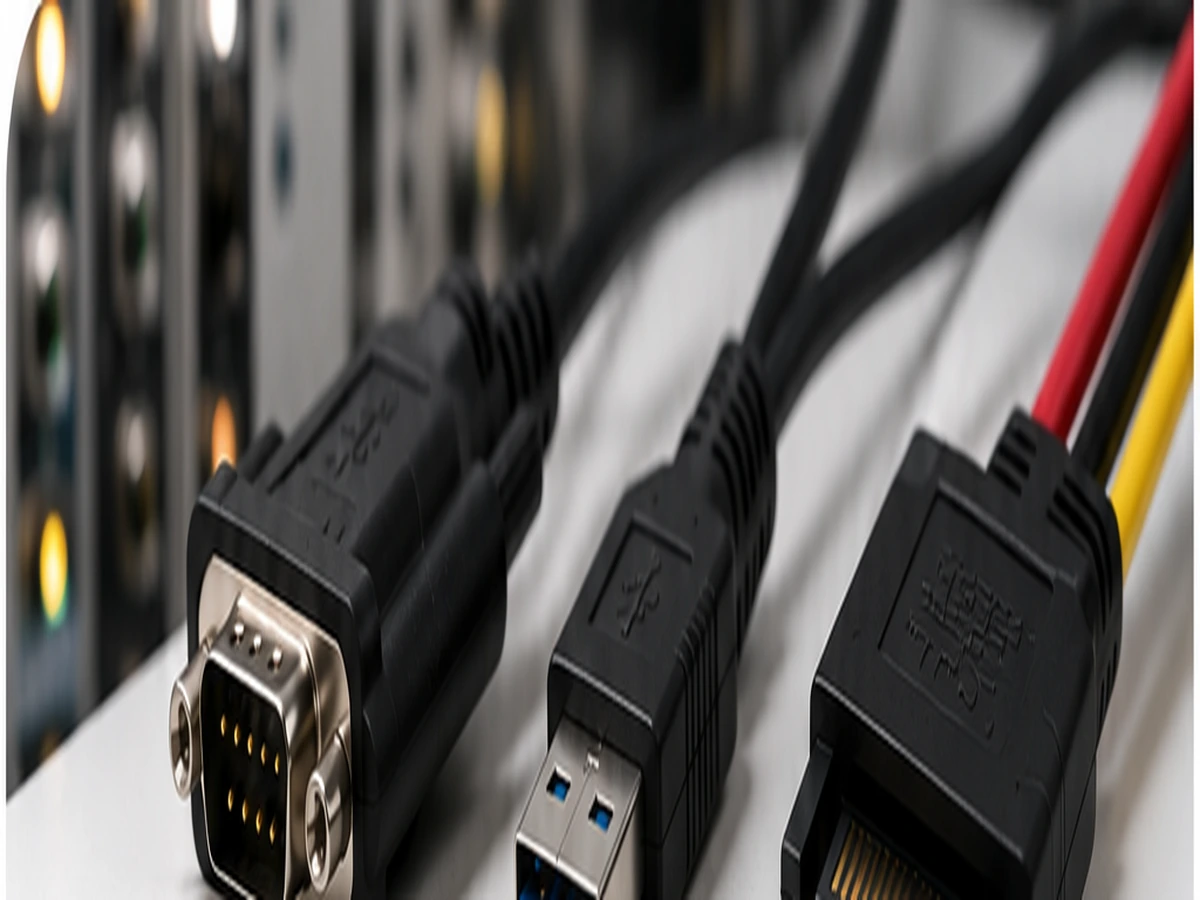
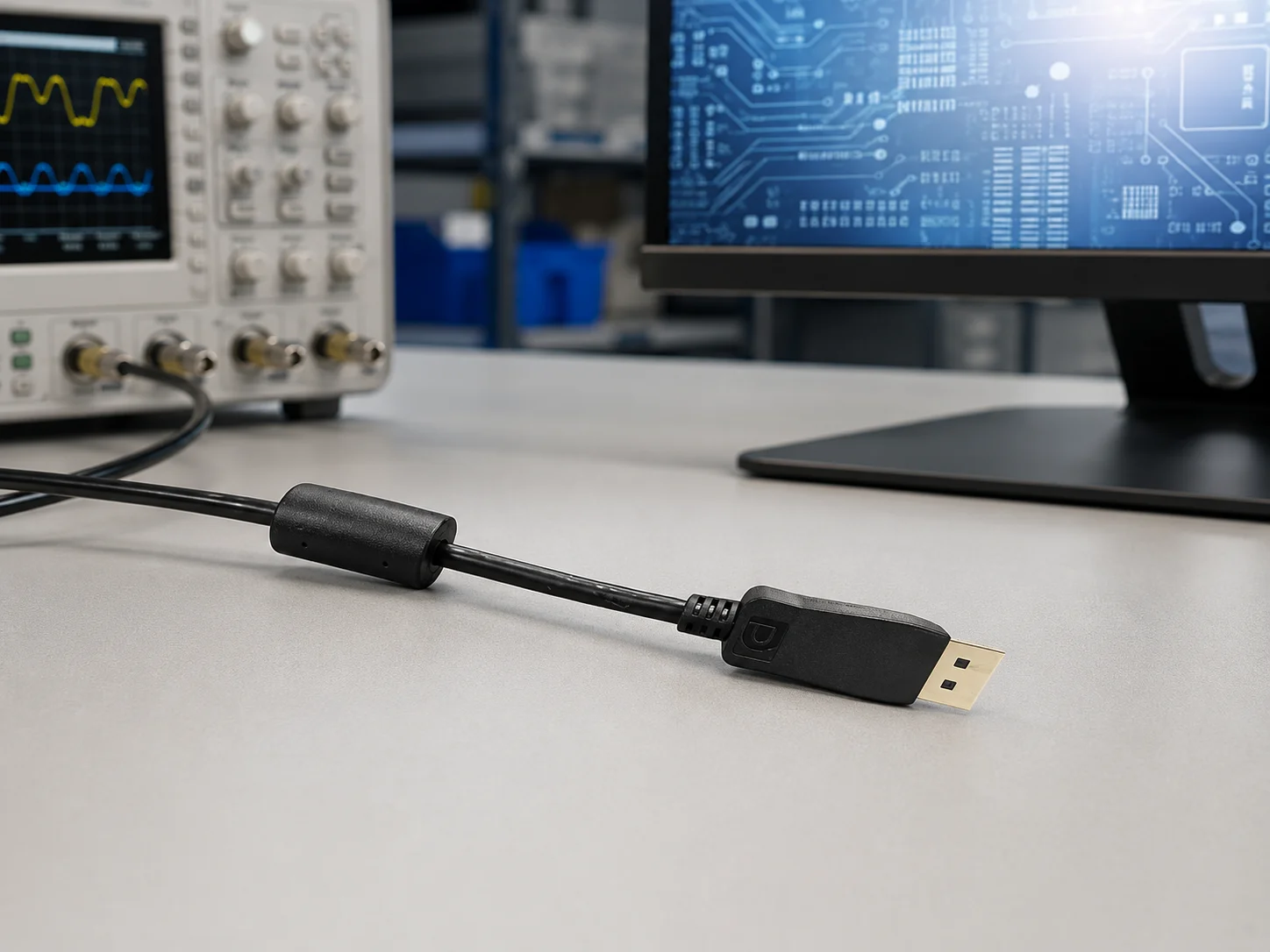
That is why DisplayPort cable specs deserve a closer look before a batch order is placed. A DisplayPort 1.4 cable has to carry more than a simple image signal. It has to keep timing, color depth, device detection, and high refresh output steady through the actual cable path. LEOCABLE’s DisplayPort cable is built with a DisplayPort male to DisplayPort male interface, high-density shielded twisted pair construction, a built-in ferrite core, 3 micro gold plating, and customizable length. Those details are where many real-world stability problems begin or end.
Why Flicker Shows Up in Demanding Display Setups
A cable that works on a normal office monitor can still struggle in a more demanding setup. Design workstations, medical imaging carts, surveillance walls, test benches, and conference systems often ask the cable to handle higher resolution, higher refresh rate, deeper color, or a longer route than a retail cable was ever chosen for.
The first sign is not always a total failure. It may be a short flicker after startup, unstable device detection, noise on one screen in a multi-display system, or a monitor that only behaves after the connector is reinserted. These small faults are easy to dismiss during sampling. Once the equipment ships, they become service calls.
For a high-resolution project, the sample test should copy the real job as closely as possible. Use the intended display model, graphics source, route length, refresh rate, and nearby equipment. Five quiet minutes on a desk monitor is useful, but it does not prove much for an 8K display, a medical imaging station, or a control-room installation.
Start With the Transmission Target
The sourcing file should name the standard, not just the connector. “DP cable” is too loose when the project has a fixed display target. A DisplayPort 1.4 cable gives engineering and purchasing a clearer starting point, especially when the application involves 4K, 8K, HDR, or high refresh operation.
LEOCABLE lists support for 8K@60Hz, 32.4Gbps transmission, 30/36/48-bit color depth, HDR10 and Dolby Vision, and refresh rate use up to 240Hz. Those figures should not sit in the document as decoration. They should be matched to the source device, display mode, cable route, and test method.
This is also where mixed requirements can create trouble. If one order covers a simple 4K conference screen today and a possible 8K model later, say so before samples are made. The same cable structure may be suitable, or the project may need two versions. Either answer is better than finding the limit after production.
Treat Cable Length as a Real Design Choice
DisplayPort cable length is often treated as a packing detail. In practice, it can decide whether the screen stays stable. Longer runs have to deal with signal loss, impedance behavior, and interference from surrounding devices. A neat-looking cable path behind a cabinet can still be a harsh electrical environment.
A standard retail length may leave extra cable bundled near a power module. A short cable may pull against the port after the display is mounted. Neither case is ideal. LEOCABLE supports customizable length, which gives buyers a way to match the cable to the real route instead of forcing the installation to fit a stock size.
Before asking for a custom DisplayPort cable, describe the route in plain terms. Where does the cable bend? Does it pass a motor, power supply, converter, or dense control wiring? Will technicians move it during maintenance? These details help the supplier judge length, shielding, connector handling, and sample test conditions. A custom DisplayPort cable should solve routing pressure, not simply add meters.
Shielding, Ferrite Core, and Connector Details
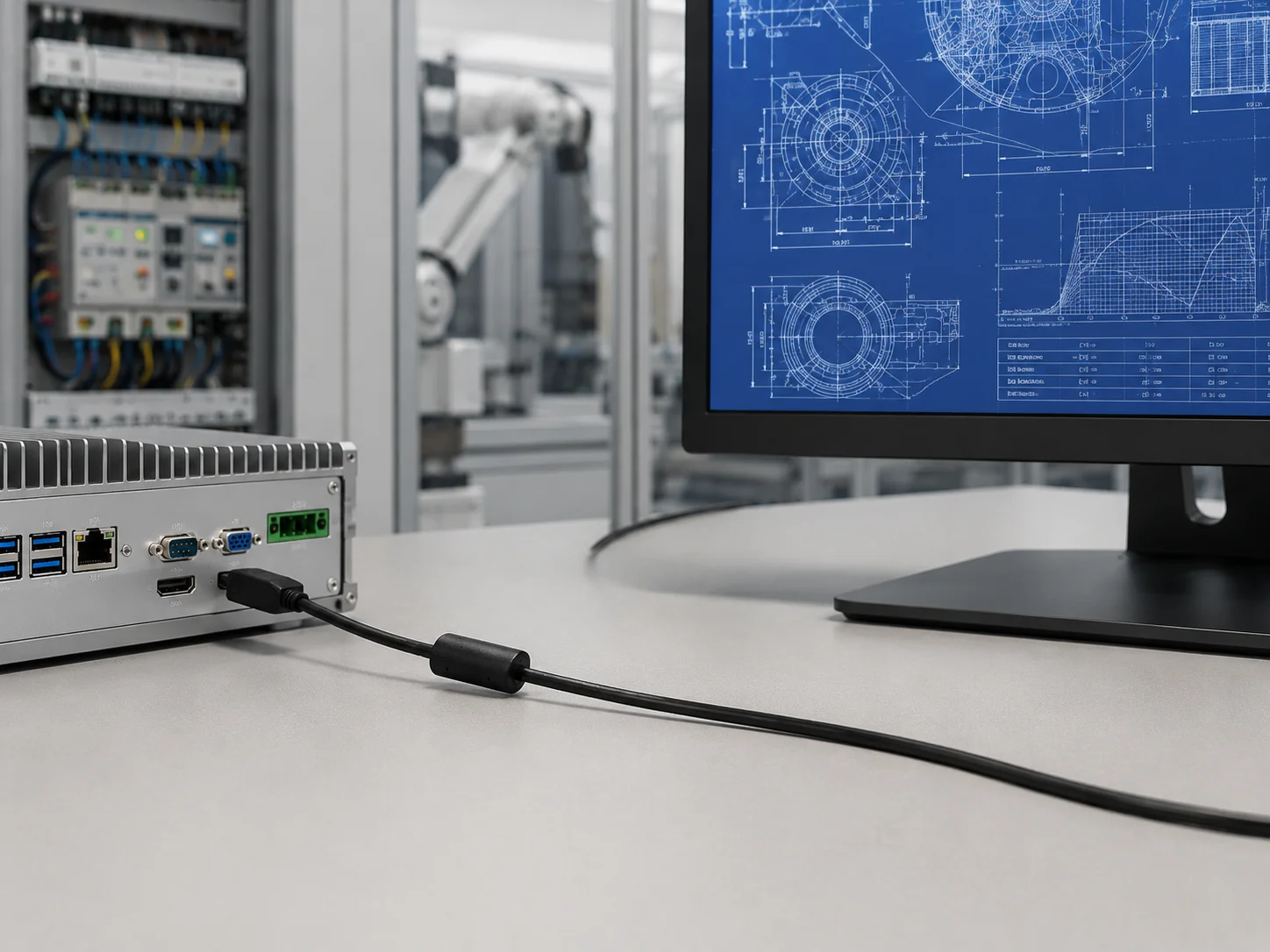
Many flicker complaints are not caused by a broken cable. The cable is working, but it is working in a noisy place. Industrial PCs, surveillance equipment, medical carts, LED controllers, and conference systems may sit near switching power supplies, adapters, wireless devices, or bundled wiring. That is where shielding and ferrite core design become more than nice-to-have features.
The LEOCABLE product uses high-density shielded twisted pair construction and a built-in ferrite core for anti-interference. The page also lists differential impedance of 100 ohm ±10%, return loss at or below -26dB at 10GHz, and insertion loss at or below -2.5dB at 10GHz. Those values give engineering teams something to check beyond the look and feel of the cable.
Connector Fit and Plating
The DisplayPort connector also deserves attention. It is touched during assembly, troubleshooting, cleaning, and maintenance. A secure DisplayPort connector fit also helps repeated checks feel less random. A poor contact surface may pass the first sample check and still cause problems after repeated handling. LEOCABLE uses 3 micro gold plating on the interface to support oxidation resistance and cleaner contact over time.
Color and marking rules can help too. In an equipment kit with USB, power, control, HDMI, and display cables, a different cable color or label rule can prevent field mistakes. It sounds small until an installer connects the wrong lead inside a cabinet. Buyers comparing other signal cable choices can also review LEOCABLE’s External wiring category instead of putting several interface jobs under one vague cable item.
خاتمة
A stable screen is not only about the display. It depends on the full signal path: source device, target resolution, refresh rate, cable length, shielding, ferrite core, connector finish, and the way the cable is installed. Good DisplayPort cable specs make those points visible before the order moves from sample to production.
For high-resolution industrial displays, conference systems, medical imaging, surveillance, and design workstations, the safer approval method is practical. Test the cable with the real display mode, the real route, and the real equipment layout. A DisplayPort 1.4 cable with high-density shielding, ferrite core support, 3 micro gold plating, and adjustable length gives the team a stronger base for that review.
For projects with special DisplayPort cable length, color rules, routing pressure, or equipment kit requirements, discuss ODM/OEM support before production. Once the source device, display model, target output, route, and quantity are clear, اتصل بشركة LEOCABLE for a cable review that fits the installation rather than only the port name.
الأسئلة الشائعة
Q1: Can a DisplayPort cable cause screen flicker?
A1: Yes. Flicker can happen when the cable, source device, display mode, route length, or surrounding interference does not support the target resolution and refresh rate reliably.
Q2: Does DisplayPort cable length affect display stability?
A2: Yes. Longer routes can raise signal loss and interference risk, especially near power cables, control cabinets, or moving equipment. The length should be tested with the real display mode.
Q3: When is a custom DisplayPort cable useful?
A3: It is useful when standard cable lengths, colors, or routing behavior do not fit the equipment layout, service path, packaging plan, or batch installation requirement.